 Karmactive Staff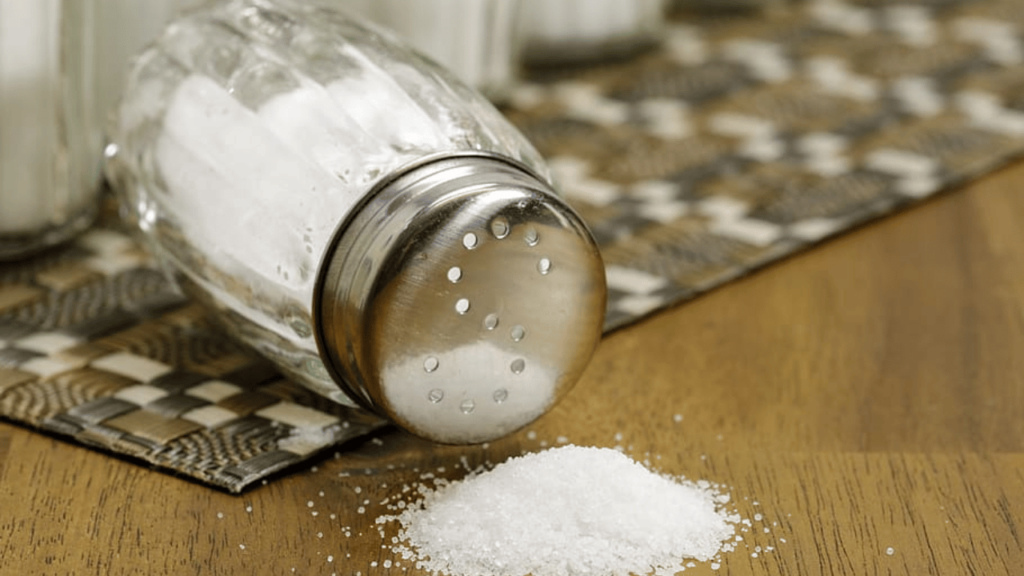
When considering diabetes, it’s common to focus on sugar intake, but sodium plays a crucial, yet less obvious, role as well. Sodium, a component of salt, is vital for maintaining the body’s fluid-electrolyte balance and supporting nutrient absorption and cellular processes. However, excessive sodium intake is a risk factor for developing hypertension.
A recent study investigated the link between added salt in food and new cases of type-2 diabetes mellitus (T2DM). The research, published in the Mayo Clinic Proceedings, aimed to understand the impact of long-term sodium intake on diabetes incidence. It highlighted the common risk factors for hypertension and T2DM, such as a sedentary lifestyle, obesity, and poor diet quality. The study noted a strong correlation between the frequency of adding salt to food and overall sodium intake, especially in Western diets. This correlation has previously been linked to increased risks of premature death and cardiovascular diseases.
Similar Posts
The study analyzed data from 402,982 UK Biobank participants who were initially free from diabetes, chronic kidney disease, cancer, or cardiovascular disease. The findings indicated that a higher frequency of adding salt to foods, indicative of a person’s long-term salt taste preference and intake, is associated with an increased risk of T2D.
Regarding dietary recommendations for diabetes, the article emphasizes that there is no universal diet or meal plan suitable for everyone with diabetes. The most effective diet depends on individual health concerns, weight-loss goals, and personal preferences. To manage diabetes effectively, general guidelines suggest maintaining a healthy weight through reduced calorie intake and increased physical activity, and monitoring carbohydrate intake. These guidelines are similar to those recommended for adults without diabetes.