 Sonali Tiwary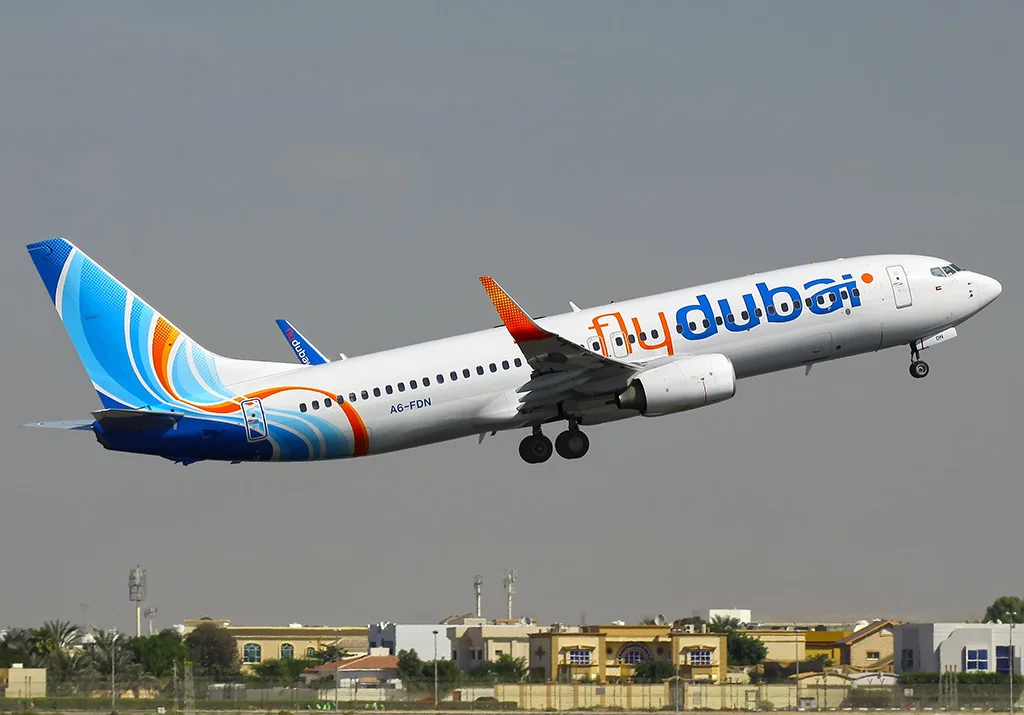
Flydubai Flight FZ1073: Co-Pilot’s Knife Attack Triggers Mid-Air Crisis; 174 Survive Harrowing Plunge to Safety
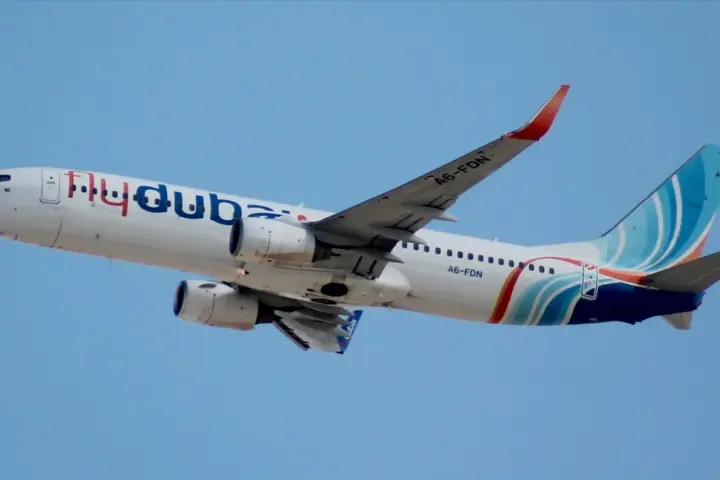
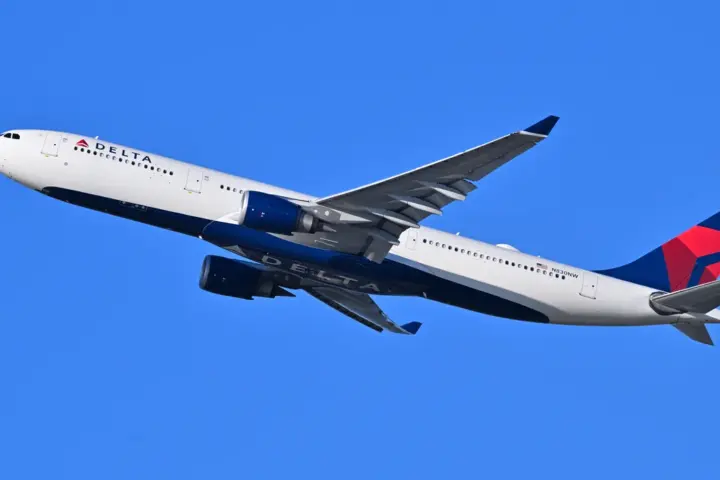
A commercial aircraft carrying 174 passengers and crew members survived an airborne assault when a co-pilot attacked the flight captain with a knife, forcing an emergency diversion to northwestern Saudi Arabia, similar to Delta DL251’s Porto emergency landing and prompting passengers to physically restrain the attacker. The incident aboard Flydubai flight FZ1073, which departed from Dubai Wednesday, raised urgent questions about security protocols — including FAA systems recently disrupted and, crew dynamics, and the split-second decisions that separate tragedy from survival.
The attack unfolded at approximately 34,000 feet as the Boeing 737 cruised through Middle Eastern airspace. According to authorities and eyewitness accounts emerging from Tabuk Regional Airport, where the aircraft diverted, the co-pilot entered the flight deck and confronted Captain Smit Machchhar. The captain sustained multiple stab wounds to his upper body during the initial assault, triggering an immediate cascade of responses that transformed crew members and passengers into first responders.
The violence occurred with stunning suddenness. The flight deck door, secured through post-9/11 protocols intended to prevent external intrusion, proved less effective against threats originating from within the crew itself. When the co-pilot breached the cockpit, the captain—whose experience level had not been publicly detailed—found himself defending against a closer threat than any security measure anticipated. His injury compromised his ability to control the aircraft during what aviation experts describe as the most vulnerable phase of cockpit security: the moment when authorized personnel become perpetrators.
The aircraft’s autopilot systems initially maintained altitude and course, but the struggle inside the flight deck destabilized the cabin. The Boeing 737 entered an uncontrolled descent, dropping 17,000 feet in what terrified passengers describe as a stomach-lurching plunge that transformed confusion into crystalline panic. Flight attendants, trained for medical emergencies and mechanical failures but facing an unprecedented scenario, worked to restrain the assailant while simultaneously reassuring passengers and communicating with the flight deck. The co-pilot attempted to access the controls, seeking to extend the descent or alter the aircraft’s trajectory, but the captain, despite his injuries, maintained partial control of the aircraft’s systems.
The defining moment arrived when several passengers, responding to increasingly desperate flight attendant calls for assistance, moved toward the flight deck. These individuals—physically overwhelmed the co-pilot. They disarmed him, restrained him with restraint equipment provided by the crew, and secured him in the aft galley. The aircraft continued its descent under increasingly stable conditions. The active co-pilot—the crew member authorized to fly the aircraft, distinct from the co-pilot who initiated the violence—regained full control of the flight deck and arrested the aircraft’s descent at approximately 17,000 feet below its cruising altitude.
Communications with Tabuk Regional Airport were established immediately following the reassertion of flight deck control. Ground authorities mobilized emergency personnel, medical teams, and security forces in preparation for the aircraft’s arrival. The diversion, conducted with meticulous adherence to emergency procedures despite the unfolding trauma, demonstrated professional discipline under conditions that transcend standard emergency training scenarios. The Boeing 737 landed at Tabuk, roughly ninety minutes after the initial attack.
All 174 persons aboard the aircraft disembarked safely. Captain Machchhar was transported to a regional medical facility, where physicians treated his stab wounds. His condition, characterized as stable by initial reports, reflects both the severity of the assault and the immediate medical attention provided by trained crew members familiar with emergency medical protocols. The passengers who physically subdued the attacker underwent psychological evaluation and crisis counseling. The flight attendants, who managed both the cockpit emergency and the passenger cabin throughout the incident, demonstrated professional composure that prevented broader panic or secondary injuries.
The co-pilot faces charges related to attempted murder, endangering aircraft, and assault on crew members. Preliminary investigations suggest possible psychological crisis, though authorities have declined to discuss specific motives. His background, including training records and mental health evaluations required by aviation authorities, is now under scrutiny from Saudi, UAE, and international aviation safety officials. The incident immediately prompted Flydubai and other Gulf carriers to review protocols governing cockpit access during flight, crew mental health assessment, and procedures for identifying concerning behavioral changes among personnel with security clearances.
The immediate consequences reverberate through global aviation. Regulatory bodies including the Federal Aviation Administration and European Union Aviation Safety Agency have opened investigations into whether existing protocols adequately address crew-based security threats. The Transportation Safety Board, International Air Transport Association, and individual international aviation authorities are examining whether flight deck door systems require modification to account for threats originating from authorized crew members. Airlines globally are reconsidering psychological evaluation intervals, mental health resources for crew members, and communication protocols that allow concerned colleagues to escalate concerns about fellow crew members’ wellbeing.
The passenger response, captured in multiple phone videos later shared with authorities, demonstrates a principle that transcends commercial aviation specifically: ordinary people confronted with immediate, tangible threats frequently overcome inherent hesitation and act decisively to protect others. The individuals who restrained the attacker made split-second decisions without training in restraint techniques, without knowledge of whether the attacker possessed additional weapons, and without certainty that their intervention would succeed. They acted based on information provided by flight attendants and fellow passengers describing an active threat to the aircraft’s safety.
As aviation safety analysts noted in reference to similar historical incidents reviewed in the Air Crash Investigation documentary series, cockpit incapacity events—whether resulting from medical crises, mechanical failures, or deliberate action—consistently demonstrate that modern aircraft design, automation systems, and regulatory requirements create multiple redundancies preventing single-point failures. The 737’s autopilot systems, the availability of dual-control structures allowing the active co-pilot to assume full command, and the communication systems enabling ground coordination all operated as designed. Passenger Yaniv Hayun, who restrained the attacker, later told Israeli Prime Minister Netanyahu that he knew how to pull the aircraft’s controls because he watches the Air Crash Investigation documentary series.
The survival of all 174 passengers and crew members aboard flight FZ1073, despite an assault that drew blood, destabilized the aircraft, and created legitimate fear throughout the cabin, reflects converging factors: the training and experience of flight deck personnel, the responsiveness of crew members trained for medical and physical emergencies, the psychological resilience of passengers, the availability of emergency medical resources, and proximity to diversion airports equipped to handle medical and security emergencies. Each factor alone provided insufficient protection; collectively, they prevented catastrophic loss of life.
As investigation continues and regulatory responses develop, aviation authorities confront an uncomfortable reality: the most sophisticated security protocols addressing external threats create different vulnerabilities for threats originating from within. The balance between permitting authorized personnel the access necessary to perform their duties and preventing individuals who abuse that access remains a fundamental challenge that no single policy solution can perfectly address. Flydubai flight FZ1073, and the brave actions of passengers and crew who transformed potential disaster into survival, will reshape how the aviation industry conceptualizes internal security and psychological wellness protocols for personnel granted access to critical flight systems.
The incident at Tabuk has prompted immediate procedural reviews across the aviation industry that extend far beyond Flydubai operations. Airlines operating in Middle Eastern airspace and internationally are reviewing whether personnel requiring flight deck access should undergo enhanced psychological screening protocols at intervals more frequent than current standards typically mandate. Mental health resources for airline crew members, historically treated as ancillary services, are now receiving elevated priority in organizational planning. The incident reveals that the protocols designed to identify crew members experiencing mental health crises remain insufficient, particularly when those individuals have legitimate access to secure flight deck environments.
The aircraft itself—a Boeing 737, one of the most widely operated commercial aircraft in global aviation—proved sufficiently robust and well-engineered to survive both the assault and the subsequent emergency procedures. The redundancy built into modern commercial aircraft design, from dual-control systems to autopilot capabilities, created a buffer that prevented escalation from serious incident to catastrophic accident. The co-pilot’s ability to assume full command after the co-pilot’s actions were thwarted represented the kind of procedural safeguard that aviation engineers and regulators have developed over decades of incident analysis. That this system functioned as intended, despite unprecedented crew-member-initiated violence, underscores the value of systematic redundancy in commercial aviation operations. International aviation authorities will undoubtedly study FZ1073’s systems data extensively to ensure that similar incidents, should they occur again, generate similarly survivable outcomes.