 Sunita Somvanshi
If September feels indistinguishable from July, it is not your imagination. The US National Oceanic and Atmospheric Administration confirmed this month that August 2026 was the warmest August in its 1850–2026 global temperature record. The three-month summer period — June through August — was also the warmest such period in the record. The heat and drought have implications for electricity demand, water availability and agriculture, but local effects vary and require separate evidence.
NOAA’s primary climate data for August 2026 shows a global surface temperature running 1.32°C above the 20th-century average. The June–August average for the contiguous United States hit 74.4°F, sitting 3.0°F above that same baseline — the warmest meteorological summer in 132 years of American records, exceeding the previous joint record from 1936 and 2021 by 0.4°F. August alone averaged 75.6°F across the contiguous US, with daytime maximum temperatures reaching a record 88.6°F. All 10 of the warmest Augusts in NOAA‘s global record have now occurred since 2016.
Prolonged late-summer heat translates directly into elevated household utility costs, stressed power grids, and disrupted autumn planting schedules. High overnight temperatures prevent residential buildings from cooling naturally, meaning households face cooling costs well beyond typical seasonal budgets. Vulnerable residents — particularly older adults and those without air conditioning — should maintain indoor cooling protocols despite the late calendar date.
California, Nevada, New Mexico, and Colorado each recorded their warmest August average temperatures on record. Texas and Oklahoma received less than 30% of their average August precipitation. By September 1, drought covered 59.1% of the contiguous United States — up more than 10 percentage points from early August. NOAA forecasts above-average September temperatures across much of the country, with no clear break in the near term.
The Danger of Vanishing Nighttime Cooling
The most practically damaging aspect of the 2026 heat record is not the afternoon peak — it is the overnight floor. When overnight temperatures remain above 20°C (68°F), buildings struggle to cool down between sunrise and the next afternoon. Heat-related cardiovascular strain in people and livestock compounds through the night rather than easing.
How Ocean Heat Affects Autumn Weather Patterns
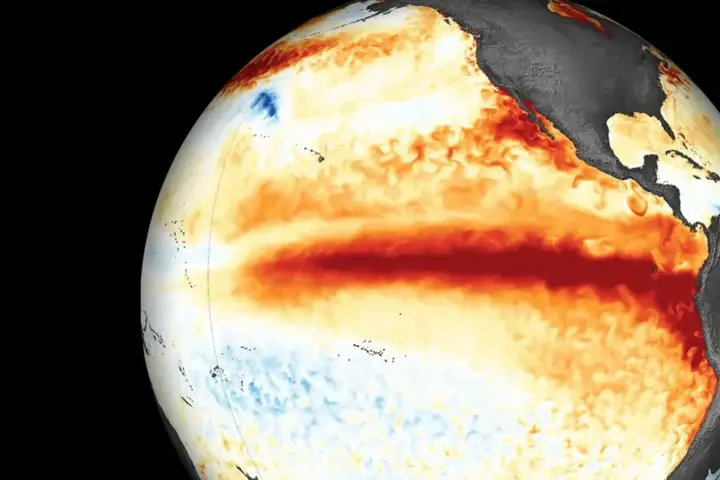
Global ocean surface temperatures also reached a record high in August 2026, according to NOAA. Oceans store thermal energy absorbed during summer for months, releasing it gradually into the atmosphere. That stored heat can feed persistent high-pressure ridges — structures that suppress cloud formation, block rainfall, and prevent the jet stream from pushing cooler polar air southward.
Normal autumn weather transitions rely on the jet stream dipping toward lower latitudes once polar regions cool. Warmer ocean surfaces can delay that process.