 Sunita Somvanshi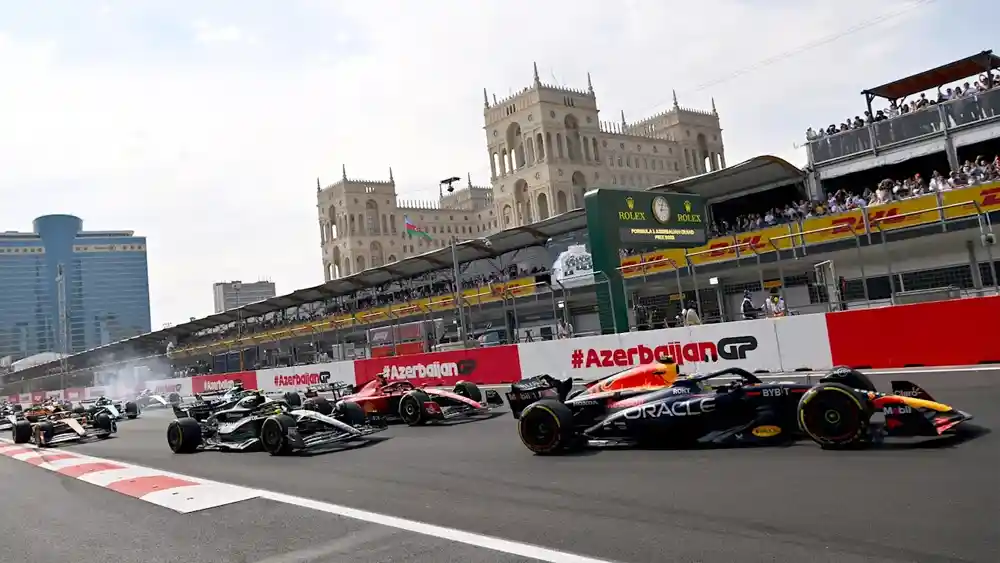
The Azerbaijan Grand Prix 2026 is scheduled for September 24 to 26 on the Formula 1 calendar. For fans heading to Baku, the event is a city race weekend, with street closures, dense crowds, travel pressure, noise, heat, and waste concentrated into a few days.
A sustainable race-weekend plan starts with movement inside the city. Street circuits change normal traffic patterns. Fans should check official Baku City Circuit guidance before choosing accommodation, arrival time, bags, and transport. Staying within easy reach of the circuit, using public transport or walking where practical, and leaving extra time can reduce both emissions and stress.
Travel light. A small permitted bag, water if allowed, sun protection, medicine, ear protection, and a charged phone are more useful than extra items. Formula 1 sessions involve long periods outdoors, loud noise, and queues before and after track activity. Ear protection is a sensible choice for children and for adults who plan to spend long hours near the circuit.
Hydration and food planning matter. Eat before entering if the rules and timing make that easier. Carry permitted essentials rather than relying on last-minute purchases. If reusable bottles are allowed, use one; if not, buy only what you need and place waste in the correct bins. Do not leave food packaging, flags, earplugs, wristbands, or merchandise wrapping on the street.
Crowd safety should be part of the plan before the first session. Pick a meeting point outside the densest area. Save accommodation details offline. Know the exit route before the session ends, because thousands of fans may move at the same time. If someone in the group feels unwell, overheated, panicked, or separated, slow down and seek staff help instead of pushing through the crowd.
Ethical city behaviour also matters. A street race takes place in a living city, not a closed stadium. Residents, workers, drivers, and public services are affected by the event. Fans can reduce that pressure by respecting barriers, avoiding litter, following staff instructions, using official crossings, and not blocking pavements or residential entrances for photos.
The lower-impact Azerbaijan GP plan is simple: check official circuit information, stay close or use shared/public transport, travel light, protect hearing, hydrate, reduce packaging, and respect the city hosting the race. That approach keeps the weekend safer for fans and less disruptive for Baku.