Sunita Somvanshi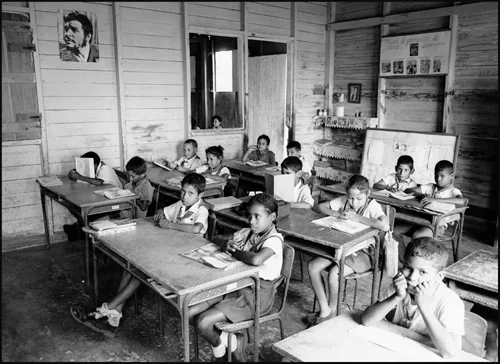
Cuba opened its 2026-2027 school year on September 1 with a familiar challenge hanging over students and teachers: rolling blackouts, missing textbooks, and shortages of basic supplies.
About 1.4 million students walked into roughly 10,000 schools across the island. They were greeted by roughly 135,000 teachers, though the nation faces a 27 percent teacher shortage, with only 73 percent of teaching positions currently filled.
School uniforms tell the story. Production reached only 12 percent of what was needed for primary education by August. Secondary schools fared somewhat better, but the numbers were still far below demand. Students are showing up without standard uniforms, not because families are defiant, but because the factories simply can’t produce them.
The reasons are plain: electricity shortages, limited transport for fabrics, and restrictions on importing materials needed to manufacture uniforms.
Textbooks are scarce. Notebooks and writing utensils are hard to find in some regions. The island’s education system, once considered a point of national pride, is now visibly struggling with the same fuel and power crisis affecting every sector of Cuban life.
Last year’s school year previewed this crisis. In June 2026 — as the school year approached its end — the Cuban government concluded the academic year early. Power outages made continuation impossible. Students and teachers were dismissed while approximately one month of the academic year remained.
This year, the Ministry of Education is taking a different approach: flexibility.
Rather than one nationwide schedule, schools are operating on different timelines depending on location and local conditions. Some regions have easier access to electricity and supplies. Others face severe challenges. The ministry has essentially told schools to adapt.
Teachers in isolated areas are stepping up. Some have agreed to stay with students for several days in regions where transportation is unreliable.
Food supply varies school to school. Some institutions have reported limited reserves to sustain meal programs through the year.
UNESCO noted the crisis in a February 2026 assessment. The organization highlighted how fuel shortages are affecting school transportation, electricity access, and meal programs. UNESCO called for international support and financing.
UNICEF has identified education as one of Cuba’s established strengths in its 2026-2030 program assessment. But the agency has also noted declining student retention in the past two school years.
The Cuban government has attributed some of its fuel problems to U.S. sanctions. That’s the government’s position.
—