TrumpIRA.gov: Executive Order Expands Retirement Access for 56 Million Workers Without Employer Plans
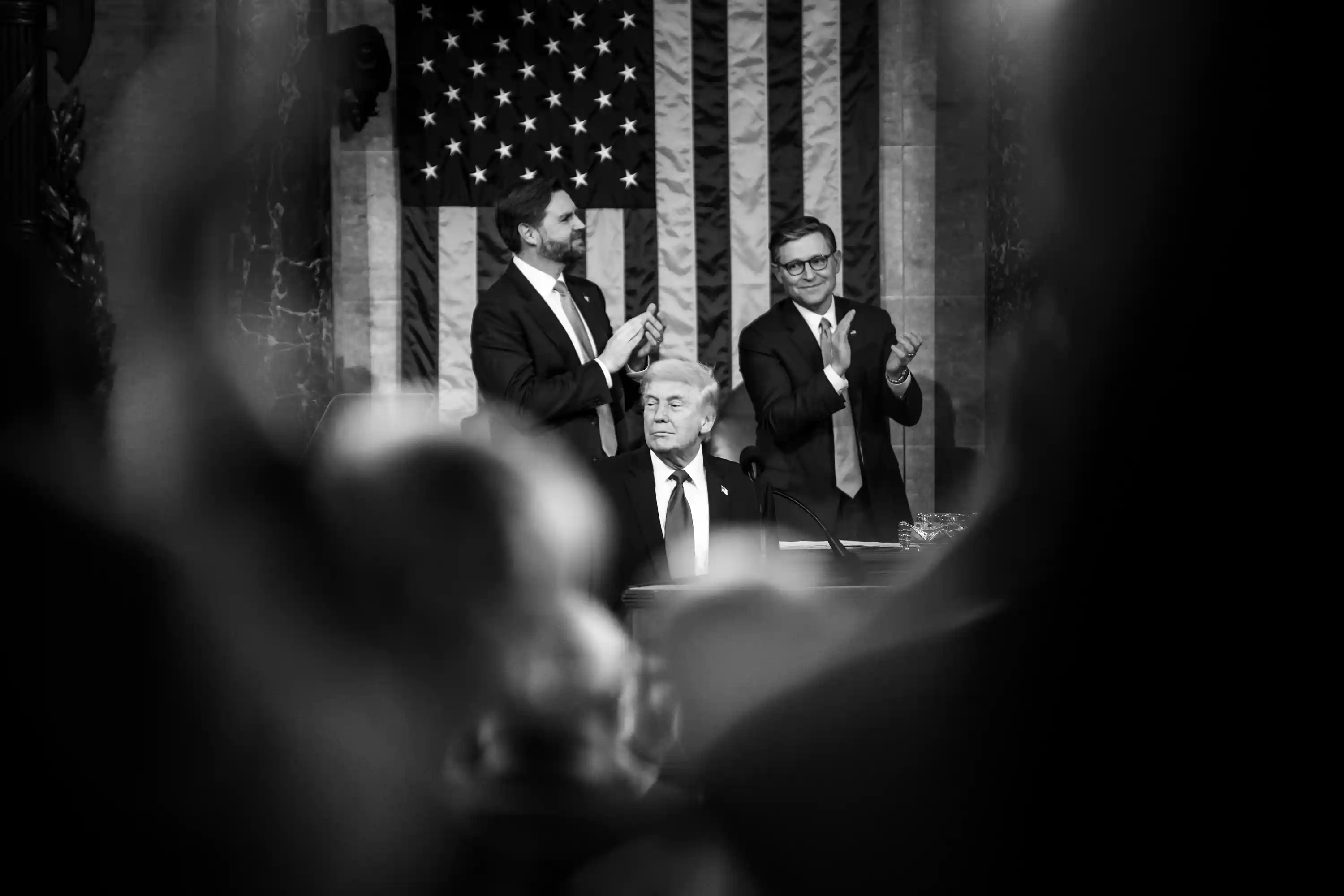
President Donald Trump signed an executive order on April 30, 2026, ordering the U.S. Treasury to create TrumpIRA.gov — a federal platform where workers without employer-sponsored retirement plans can compare and enroll in low-cost IRAs and claim the Saver’s Match of up to $1,000 per year.
According to a 2025 issue brief from the Pew Charitable Trusts, roughly 56 million Americans in the private sector lack access to any employer-sponsored retirement plan【Pew Research, 2025】. The executive order addresses this gap by establishing TrumpIRA.gov, which will go live by January 1, 2027, as mandated in the White House directive【White House EO text, Sec.2(a)】. The site will allow independent contractors, self-employed individuals, part‑time workers, and small‑business employees to filter private IRA products based on cost, quality, and investment choices.
The Executive Order: What It Actually Does
Contrary to some interpretations, the order does not create a new government-run retirement plan. Instead, it builds a marketplace of vetted, private-sector IRA providers that meet strict criteria: overall net expense ratios capped at 0.15% (including management, operating, and administrative fees) and no minimum contribution or balance requirements【EO Sec.2(c)(ii)】. The Treasury Department will ensure that workers who contribute to qualifying IRAs receive the federal Saver’s Match — a direct government contribution authorized under the SECURE 2.0 Act signed by President Biden in December 2022【SECURE 2.0 Act, Pub.L. 117-328】.
Full match (50% on up to $2,000 in contributions = $1,000) applies to single filers with modified AGI below $20,500; joint filers below $41,000. Reduced match phases out at $35,500 (single) and $71,000 (joint) — data from IRS guidance under SECURE 2.0【CNBC reporting on income thresholds】.
Voluntary vs. auto-enrollment. Because the Trump plan relies on voluntary sign‑up rather than automatic enrollment (which would require Congressional action), participation may be lower than projected. A Morningstar simulation from April 2026 estimated that voluntary participation could bring roughly 32.3 million workers into the system; automatic enrollment would produce “significantly larger gains,” emphasizing the importance of auto-enrollment for retirement wealth accumulation【Morningstar / NAPA simulation, April 2026】. The White House has stated it will work with Congress on legislation to codify and potentially expand the program.
Key Milestones Toward TrumpIRA.gov
Who Benefits and the “Missing Middle”
Data from the Economic Innovation Group (EIG) shows that 44% of full‑time U.S. private‑sector workers — about 40.6 million people — receive no employer match for retirement savings. Among part‑time workers, 79% lack access【Economic Innovation Group, 2025 analysis】. The executive order specifically targets those left behind: independent contractors, gig economy participants, and employees at small businesses that do not offer 401(k) plans. However, a missing piece is that many moderate‑income workers above the Saver’s Match phaseout ($35,500 single) have no workplace plan either — a gap administration officials have pledged to address through future legislation. Trump’s National Economic Council director Kevin Hassett said, “We’re working with Congress to significantly expand this program.”【NBC News, April 30, 2026】
Current Saver’s Match vs. Admin’s Legislative Goal
- Full match: income under $20,500 (single) / $41k (joint)
- Phases out at $35,500 / $71k
- Max annual matching: $1,000
- Voluntary enrollment only
- Expand match to higher income brackets (above $35k)
- Potential auto‑enrollment mechanism (needs Congress)
- Codify TrumpIRA.gov into permanent law
- Double match rate? Under discussion per Morningstar enhancement scenario
Source: Executive Order Sec. 4 legislative recommendations + CNBC/Morningstar analysis.
Another dimension often overlooked: the cost of non‑participation. The Joint Committee on Taxation estimated that the Saver’s Match will reduce federal revenues by $9.3 billion from 2028–2032, but advocates argue that behavioral gains and reduced reliance on Social Security improve long‑term sustainability. The White House fact sheet notes that a 25‑year‑old low‑income worker saving $165 per month and receiving the $1,000 match could accumulate ~$465,000 by age 65 (assuming 6% return) — with nearly $155,000 attributable directly to the federal match【White House Fact Sheet, April 2026】.
Expert Perspectives & Institutional Comments
Teresa Ghilarducci, labor economist at The New School, noted that “establishing a universal retirement system to companion with Social Security was always needed.” John Lettieri, co‑founder of EIG, called the order “a huge step forward.” However, the Cato Institute’s Romina Boccia warned that layering new spending commitments without addressing Social Security’s $28 trillion shortfall could be fiscally risky. Meanwhile, a Morningstar analysis published the same day as the EO indicated that “voluntary enrollment produces significantly smaller gains” and that “auto‑enrollment at a 6% default rate produced a 49% larger aggregate wealth increase” for low‑income cohorts【Morningstar model report, April 30, 2026】.
• Check if your employer offers a retirement plan — if not, prepare to compare IRAs on TrumpIRA.gov after launch.
• Estimate your modified AGI: the Saver’s Match may still benefit you if you earn under $35,500 as a single filer.
• Review state‑facilitated auto‑IRA programs: 17 states already offer similar portals.
• Remember: starting January 2027, for every $2,000 you contribute to a qualifying IRA, the government may deposit up to $1,000 directly into your account.
Conclusion: Summary of Key Findings
The April 30, 2026 executive order directs the U.S. Treasury to launch TrumpIRA.gov by January 1, 2027. The website will list private‑sector IRAs with expense ratios ≤0.15% and no balance minimums. Workers without employer‑sponsored retirement plans can use the portal to open an account and, if eligible, receive a federal Saver’s Match of up to $1,000 per year under SECURE 2.0. The order also requires the administration to propose legislation to expand match eligibility and explore auto‑enrollment. Roughly 56 million private‑sector workers lack workplace retirement access, according to the Pew Charitable Trusts. Morningstar estimates that voluntary enrollment could bring over 32 million workers into the savings system, but legislative action on auto‑enrollment would significantly increase participation and wealth outcomes.
Related information & primary sources:
📄 Full text of the Executive Order on TrumpIRA.gov (White House)
📊 Pew Charitable Trusts: 56 million without workplace retirement plans
📈 SECURE 2.0 Act of 2022 (Saver’s Match provision)
🤝 Economic Innovation Group: retirement coverage data
💰 Morningstar simulation on auto-enrollment & Saver’s Match wealth outcomes