 Tejal Somvanshi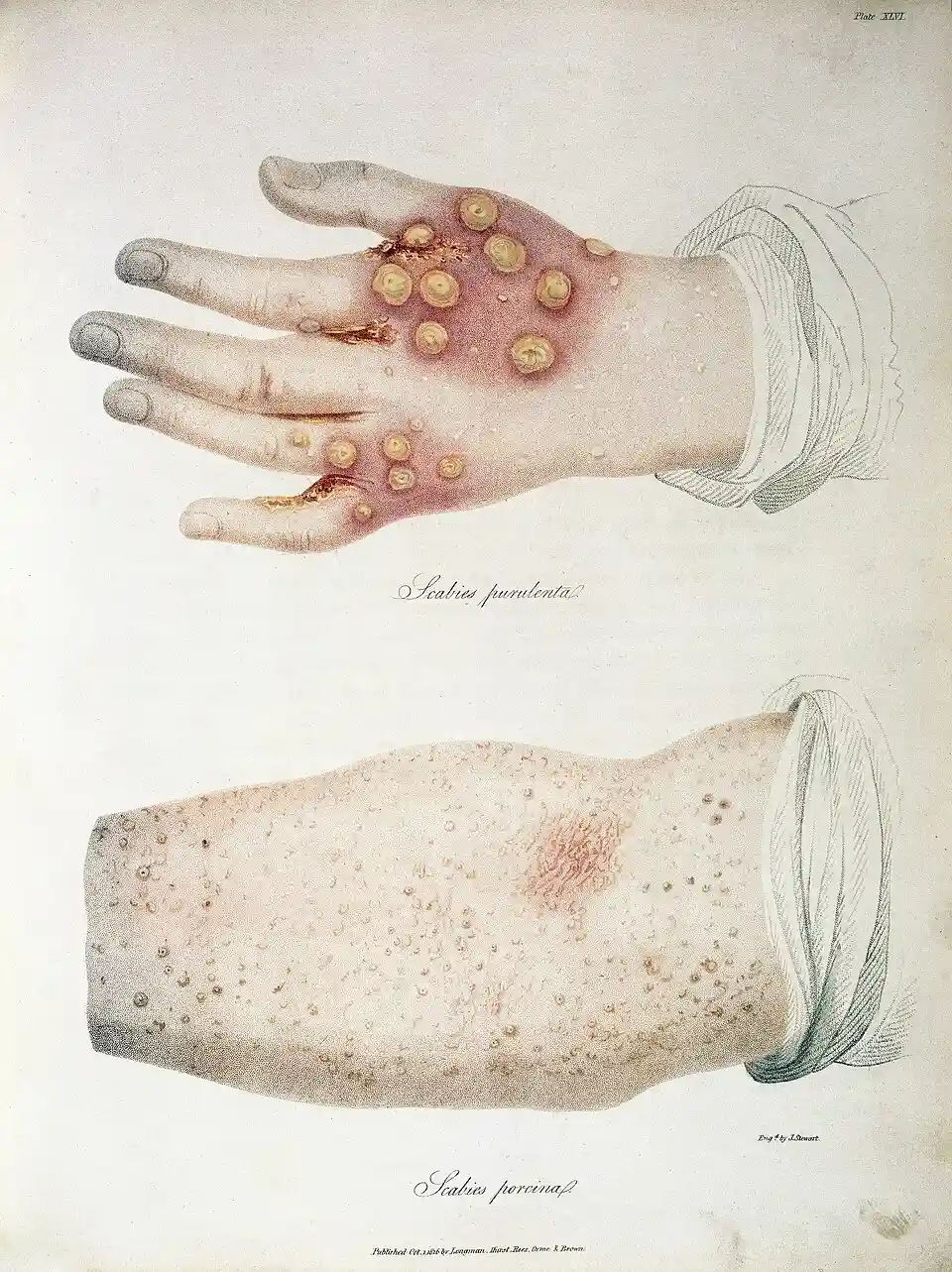
The Scabies Outbreak: Why Cases Have Doubled in the UK
Scabies cases across the UK have surged to levels not seen in decades. This tiny mite infestation, which causes intense itching and spreads through close contact, now affects more people than at any point in the recent past. Here’s what you need to know about symptoms, transmission, treatment, and how to protect yourself.
Understanding the Current Surge
According to recent data from the UK Health Security Agency (UKHSA), scabies diagnoses at sexual health services increased by 44% between 2023 and 2024, reaching 4,872 cases. This represents a dramatic shift from the relatively stable 1,500 cases recorded annually before the pandemic.
The Royal College of General Practitioners’ Research and Surveillance Centre confirms that scabies cases in general practice have consistently exceeded the five-year average throughout 2024, with rates particularly elevated in the north of England.
Timeline: From Infection to Recovery
Understanding the progression of scabies helps explain why cases spread so rapidly before diagnosis.
Initial Contact
Transmission occurs through prolonged skin-to-skin contact lasting 15-20 minutes. The microscopic Sarcoptes scabiei mite burrows into skin at 0.5-5mm per day.
Eggs Hatch
Female mites lay eggs in burrows. These hatch within three to four days, continuing the cycle.
Symptoms Appear
The immune system recognizes the mite’s droppings as foreign, triggering intense itching. This delay allows mites to spread widely before diagnosis occurs.
First Application
Permethrin or malathion cream is applied across the entire body from the jaw down, left for 8-12 hours, then washed off.
Second Application
A second dose is essential. The first application kills adult mites but may not destroy all eggs. The second dose eliminates any survivors before they mature.
Persistent Itch Phase
Even after successful treatment, itching can continue for several weeks. This is not a sign of failure but the body’s immune response to dead mite debris.
Real Stories: The Human Impact
Louise, a 44-year-old from south-west England, experienced the full burden of a scabies outbreak. After symptoms appeared in September, her family endured repeated treatments, endless laundry cycles, and steamed furniture—all without success after two rounds of permethrin. By November, they took drastic action: renting a caravan near their home for a week, changing into fresh clothes at the door, and purchasing new belongings before treatment began.
Amanda Rushton’s family in north-west England fought scabies for ten months, from October 2024 onwards. Despite using permethrin twice, washing laundry up to ten times daily, and bagging sofa cushions, symptoms persisted. When scabies developed on her 13-year-old son with Down’s syndrome—who couldn’t sleep and scratched until his sheets filled with blood—the family purchased benzyl benzoate online, a topical cream not routinely prescribed by UK GPs but eventually effective.
Why Is Scabies Spreading So Rapidly?
Supply Chain Shortages
Two years ago, shortages of permethrin and malathion disrupted treatment access. Delayed supplies created a “ping-pong effect” where people were continuously reinfested within households.
Healthcare Access Delays
Strain on NHS GP waiting lists means people delay seeking care. The longer diagnosis takes, the more the mites spread to contacts before treatment begins.
Crowded Living Settings
University halls, hostels, and care homes create ideal transmission environments. Return to student accommodation in September correlates with seasonal case spikes.
Social Stigma
Many people delay seeking treatment due to misconceptions that scabies indicates poor hygiene. This shame leads to silence and allows the infestation to spread undetected.
Diagnostic Confusion
Initial misdiagnosis as dermatitis or eczema delays correct treatment by weeks or months, extending transmission periods.
Incomplete Contact Tracing
Without systematic identification and simultaneous treatment of all household and sexual contacts, reinfection occurs within days.
For detailed information on causes and prevention, see guidance from the British Association of Dermatologists.
What Is Scabies? The Biology Behind the Itch
Scabies is caused by a parasitic mite called Sarcoptes scabiei var hominis. Invisible to the naked eye, this mite tunnels into the outer layer of human skin at a rate of 0.5 to 5mm per day. Female mites then lay eggs in these burrows. The eggs hatch within three to four days, continuing the cycle.
While symptoms can take four to six weeks to develop in people with no prior exposure, those previously infected may experience itching within 24 hours of reinfection. This delay in initial symptoms is crucial: it means infected people are most contagious before they even realize they have the condition.
For comprehensive information on scabies biology and diagnosis, the UKHSA provides detailed clinical guidance for healthcare professionals.
Recognizing Scabies: Key Symptoms to Watch
Intense Itching
Itching is often worse at night, after hot showers, or when skin is warm. It results from an allergic reaction to the mite’s droppings, not the mites themselves.
Visible Burrows
Look for thin, wavy, silver-colored lines between fingers, on wrists, elbows, and skin creases. These are tunnels where females burrow to lay eggs.
Rash and Bumps
Small red or brown bumps appear, especially in areas of friction like between fingers, sides of hands, genitals, and under breasts in women.
Secondary Infections
Constant scratching can break skin, leading to bacterial infections that may cause additional swelling, pus, or crusting.
Delayed Symptoms in Children & Elderly
In very young children and elderly people, scabies may affect the scalp, face, and neck—areas usually spared in healthy adults.
Important: Scabies has no connection to poor hygiene or cleanliness. Anyone—regardless of personal cleanliness—can catch it through skin-to-skin contact.
Treatment Options: Choosing Your Path
Successful treatment requires simultaneous treatment of all household members and close contacts, even those without symptoms.
First-Line: Permethrin Cream (5%)
Recommended by: NHS, UKHSA, NICE guidelines
Application: Apply from jaw down, covering entire body including skin folds. Leave for 8-12 hours, then wash off. Repeat after 7 days.
Children & Elderly: Include face, neck, scalp, and ears (avoiding eyes).
Cost: Available over-the-counter at pharmacies or by prescription
Second-Line: Malathion Lotion (0.5%)
Used when: Permethrin is ineffective, unsuitable, or unavailable
Application: Apply over whole body and wash off after 24 hours. Repeat after 7 days. Reapply to hands after washing with soap.
Benefit: Longer contact time allows better penetration in some cases
Persistent Cases: Ivermectin (Oral)
Used when: Two courses of topical treatment have failed, or topical application is impractical
Dosage: Weight-based dosing prescribed by a specialist, typically 200 micrograms per kilogram of body weight. Taken with food on a single occasion, repeated after 7 to 14 days. Your doctor will determine the correct number of tablets for your weight.
Advantage: Effective for severe eczema or crusted scabies where topical application is difficult
Note: More expensive and usually reserved for resistant cases. See our guide on treatment resistance for more details.
Household Decontamination: The Three-Day Rule
While the mites cannot be eliminated through cleaning alone, they can be starved. Scabies mites survive outside the human body for 24-36 hours in normal conditions. Understanding this is key to preventing reinfection.
Textiles Used in Past 3 Days: Wash all clothes, bedding, and towels at 60°C or higher. If possible, dry in a hot dryer cycle. Do this on the day you begin treatment.
Items That Cannot Be Washed: Place coats, hats, shoes, delicate toys, and soft furnishings in sealed plastic bags for at least 3 days. By then, any mites will have perished from dehydration. After 72 hours, the bags can be opened safely.
Furniture & Hard Surfaces: Vacuum mattresses, sofas, and floors to remove dead skin cells where mites may hide. This is sufficient; bleach or harsh chemicals are unnecessary and may damage items.
For a supportive resource on managing scabies at home, see our household management guide.
The Post-Scabies Itch: Why It Persists
What It Is
After successful treatment, itching often continues for 2-4 weeks. This is not reinfection but the body’s allergic response to dead mite debris.
Why It Happens
The immune system continues to react to antigens from dead mites and their feces. This immune response gradually subsides as the body clears debris.
How to Manage It
Use emollients (moisturizers), topical steroids, or antihistamines. Avoid applying more pesticide—this delays healing and causes irritation.
When to Seek Help
Contact your GP if itching persists beyond 4-6 weeks after completing treatment. This may indicate treatment failure or a secondary skin condition.
Key Takeaway: Post-scabies itch is temporary and treatable. It does not mean the mites have returned.
Prevention: Breaking the Chain of Transmission
Avoid Prolonged Skin Contact with Known Cases
Scabies requires 15-20 minutes of skin-to-skin contact. Brief contact like handshakes is unlikely to transmit the mite. Avoid close contact until the infected person has completed their first treatment.
Do Not Share Personal Items
Avoid sharing bedding, clothing, towels, or personal care items with anyone suspected or confirmed to have scabies. While transmission via objects is rare, it is possible within 36 hours of contamination.
Seek Immediate Treatment
If you develop symptoms, visit your GP or pharmacy immediately. Early diagnosis and prompt treatment prevent spread to household members and contacts.
Treat All Contacts Simultaneously
Everyone in your household must receive treatment on the same day, regardless of whether they show symptoms. Even asymptomatic carriers can perpetuate the cycle if left untreated.
Complete the Full Course
Both applications (Day 0 and Day 7) are essential. Missing the second dose allows any surviving eggs to hatch, causing reinfection within days.
Combat Social Stigma
Tell close contacts and household members about your diagnosis. Shame and secrecy lead to delayed treatment and continued spread. Scabies is not a sign of uncleanliness; it is a common infectious disease.
Returning to Work and School
According to UKHSA guidance, children and adults can return to work or school after completing the first treatment dose, provided they follow standard hygiene precautions. Work absences are not necessary.
However, for those in roles involving close personal care (caregivers, healthcare workers, teachers in nurseries), additional precautions may apply. Contact your occupational health department or GP for specific guidance based on your role.
Summary: What We Know About the Scabies Surge
The Scale: Scabies diagnoses have increased 44% between 2023 and 2024, with cases in the north of England rising by 92%. Cases remain consistently above the five-year seasonal average.
Why It’s Spreading: Treatment shortages, healthcare access delays, crowded living settings, social stigma, diagnostic confusion, and incomplete contact tracing create a perfect environment for transmission.
The Biology: The Sarcoptes scabiei mite burrows into skin and lays eggs. Symptoms take 4-6 weeks to develop, meaning people spread the mite widely before diagnosis.
Treatment Works: Permethrin cream (first-line) and malathion lotion (second-line) are highly effective when applied correctly and when all household members are treated simultaneously on Day 0 and Day 7.
Prevention Matters: Rapid diagnosis, treating all contacts, completing the full course, and managing household textiles are essential to breaking transmission chains.
Stigma Is Harmful: Social shame delays treatment and allows the infestation to spread. Scabies is not connected to hygiene and affects people across all social classes and living conditions.
For more information on public health surveillance and case management, visit the RCGP Research and Surveillance Centre or follow KarmActive’s ongoing coverage of UK health crises.
Suspect You Have Scabies?
Act quickly. Contact your GP or visit a pharmacy for treatment. Early intervention prevents spread to household members.
Resources: NHS Scotland | British Association of Dermatologists