Noel R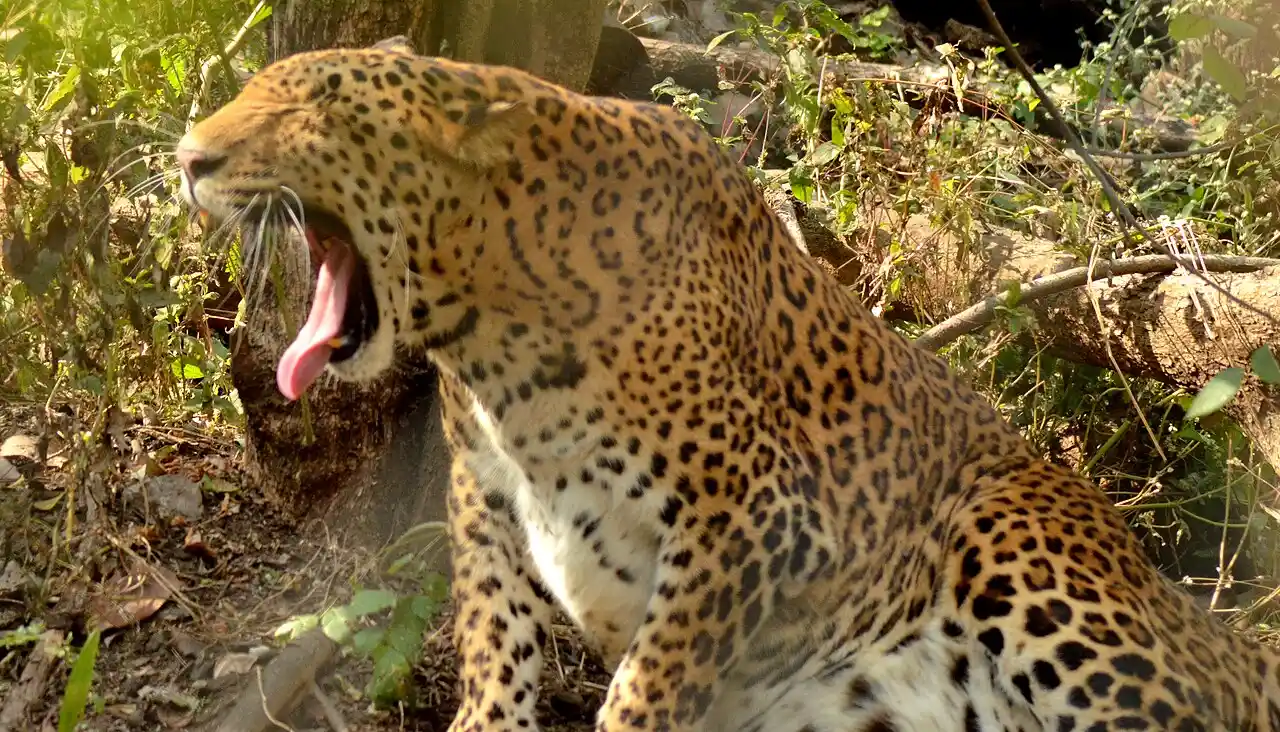
Over the past couple of days, Thane has found itself on high alert over leopard sightings. CCTV clips, WhatsApp forwards and faster news alerts have created a panic among the residents living/moving around the forest edges, zones close to green patches and hill tracts of the city. However the reality is much more familiar than being so dramatic.
Leopards have always been part of these landscapes around Thane, which sits at the forested hills connected to Sanjay Gandhi national park.
They do not follow nor do they understand municipal boundaries, but they follow their natural corridor which they have been using for decades. Being nocturnal and secretive, Leopards have quietly moved through these areas at night, largely unseen. What has changed is not their presence, but our proximity to their natural routes.
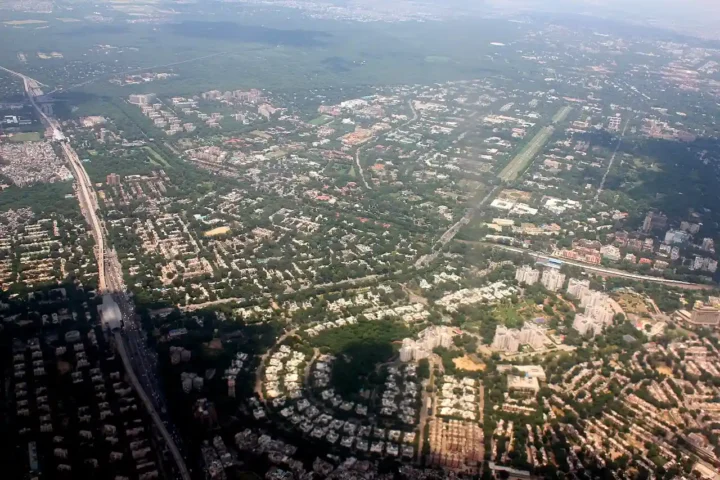
Housing societies, roads, and various construction projects have expanded into or fragmented traditional wildlife corridors for urban growth and development. Animals are compelled to traverse human areas more often as these wildlife corridors break apart. Even though these movements are not abrupt or frightening, they start to feel that way when they are caught on camera and shared on social media. There have even been cases where a single CCTV clip has been shared for days or even weeks, giving the impression that there have been several incidents even though it’s a same clip of the animal passing through.
Seasonal behavior is also another reason why their sightings have increased. Longer nights and cooler weather can increase nocturnal activity and movement range in some seasons, increasing the chance of sightings. Cooler temperatures reduce thermal constraints on movement, potentially allowing more sustained nocturnal activity. Also natural prey like deer, wild boar, smaller mammals like black naped hare, mouse deer, bonnet macaques etc don’t congregate near water bodies as much as they do during the warmer period. Seasonal shifts in prey movement and water availability can disperse prey, changing leopard foraging behaviour. When prey is dispersed, leopards may expand their movements and may opportunistically use edge habitats, sometimes bringing them closer to humans. So the increase in sightings doesn’t mean leopard population has suddenly exploded—increased sightings usually reflect altered movement patterns or habitat loss, not a sudden population boom. And leopards adapt more intelligently than we anticipate, as they have always done.

It is also important to know that Leopards are not invading the human habitat. Leopards are not actively targeting humans as prey; attacks usually arise from defensive encounters when the animal feels threatened, or in rare cases of man-eating behavior. Leopards are solitary, secretive and cautious animals that avoid confrontation whenever possible. Instead of predatory intent, the majority of serious incidents involving people are caused by unexpected encounters, crowding, or panic-driven behavior. Shouting, crowding, an attempt to corner the animal and creating loud chaotic noises confuses and stresses the animal leading the animal to attack just to defend itself. Wildlife experts have repeatedly emphasized that calm, knowledgeable human behavior significantly lowers the risk of harm to both humans and leopards.
Unfortunately, panic has become the real risk factor.
Residents living near forest edges must avoid isolated night walks, they should secure their pets, improve lighting in common areas, avoid leaving waste food outside which would attract strays which will further attract the leopard and alerting authorities promptly incase of an incident rather than circulating unverified information. Most importantly, wildlife situations must be completely left to trained forest officials. Crowding, chasing or trying to trap the animal would escalate a manageable situation into a dangerous one.
Leopards serves as a reminder rather than a symbol of poor urban planning. As cities like thane continue to grow outwards, where forest land and urban life overlaps, coexistence is not a choice, it’s a necessity; it’s a responsibility.
The real question isn’t why leopards are appearing more often. That part is easy to understand. The question is whether we, as a city, can respond with calm and maturity instead of fear and hysteria.
Because leopards aren’t looking to invade our lives. They want one simple thing: a quiet, unobstructed path back to the forest.
Whether we allow that, or turn their presence into a manufactured crisis, is entirely up to us.