 Karmactive Staff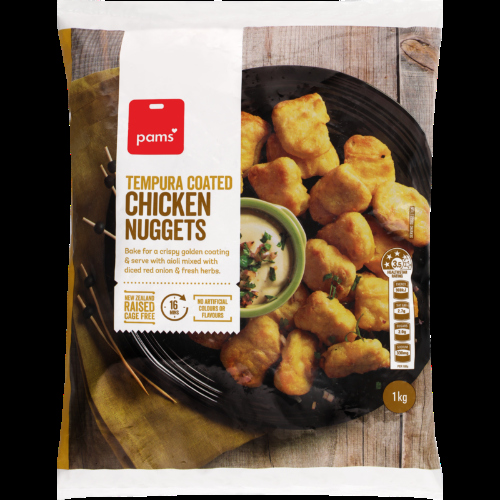
A discovery of blue rubber pieces in Pams brand chicken nuggets has triggered an urgent nationwide recall in New Zealand. The affected product, a 1kg bag of Pams Tempura Coated Chicken Nuggets with an October 16, 2025 best-before date, was pulled from store shelves after a customer found foreign material in their food.
“If you have a 1kg bag of Pams Tempura Coated Chicken Nuggets with a best-before date of 16 October 2025, don’t eat them,” warns Vincent Arbuckle, Deputy Director-General of New Zealand Food Safety. The simple presence of rubber in food products creates an immediate safety risk, particularly choking hazards.
The contaminated nuggets were sold at Five major retailers: Four Square, Gilmours, New World, Pak’nSave, and Social Supermarket stores across New Zealand. Store employees have removed all affected products from shelves, and the Ministry for Primary Industries confirms no contaminated batches were exported.
Similar Post
For anyone who bought these nuggets, the safety steps are straightforward: check the best-before date on your package. If it matches October 16, 2025, take the product back to where you bought it for a full refund. If you can’t return to the store, throw the nuggets away.
“As is our usual practice, we will work with Foodstuffs Own Brands to understand how this issue arose and to prevent it happening again,” Arbuckle states. This investigation will help identify what caused the rubber contamination and prevent similar incidents.

The discovery came through a customer’s watchful eye, showing how consumer attention helps maintain food safety. When someone notices something wrong with their food and reports it, they help protect others from potential harm. This customer reporting led to immediate action from food safety authorities.
The recall affects only this specific batch of tempura-coated nuggets. Other Pams products remain safe for consumption. New Zealand Food Safety and Foodstuffs Own Brands are working together to address this food safety concern.