 Sunita Somvanshi
Pipeline Damage Halts Mumbai’s CNG Network: Thousands Stranded
Third-party damage to GAIL pipeline inside RCF compound cut gas to MGL’s Wadala hub, leaving 40% of pumps offline and drivers facing 3–4 hour queues
What Caused the CNG Supply Halt
On November 17, 2025, third-party contractors damaged GAIL’s main gas supply pipeline inside the Rashtriya Chemicals and Fertilisers (RCF) compound at Trombay. This damage cut gas flow to Mahanagar Gas Limited’s (MGL) City Gate Station (CGS) at Wadala, a key entry point for the entire MMR distribution network.
Without supply reaching CGS Wadala, gas flow to the downstream MGL network was curtailed. According to MGL’s statement, the disruption affected CNG stations across Mumbai, Thane, and Navi Mumbai. The company reported that 225 of 389 CNG stations remained operational—approximately 60 percent of its network.
MGL stated that the rectification work was underway and restoration of gas supply to CGS Wadala was expected by November 18, 2025, by noon. The outage revealed a critical vulnerability: the MMR’s CNG network depends on a single major node at Wadala. When that node fails, a large portion of the network is affected.
Impact in Numbers: What the Disruption Meant
Real-time metrics showing the scale of the crisis
60% of network online; 40% offline
vs. 15–30 min normally
Auto and taxi fares climbed
Routes combined or outsourced
Timeline of Events
Who Felt the Impact Most
The disruption affected hundreds of thousands across the MMR. Private CNG vehicle owners, auto-rickshaw drivers, taxi operators, school authorities, and commuters all faced disruption. But the burden fell heaviest on those for whom CNG was not a choice but a necessity.
Auto-Rickshaw and Taxi Drivers
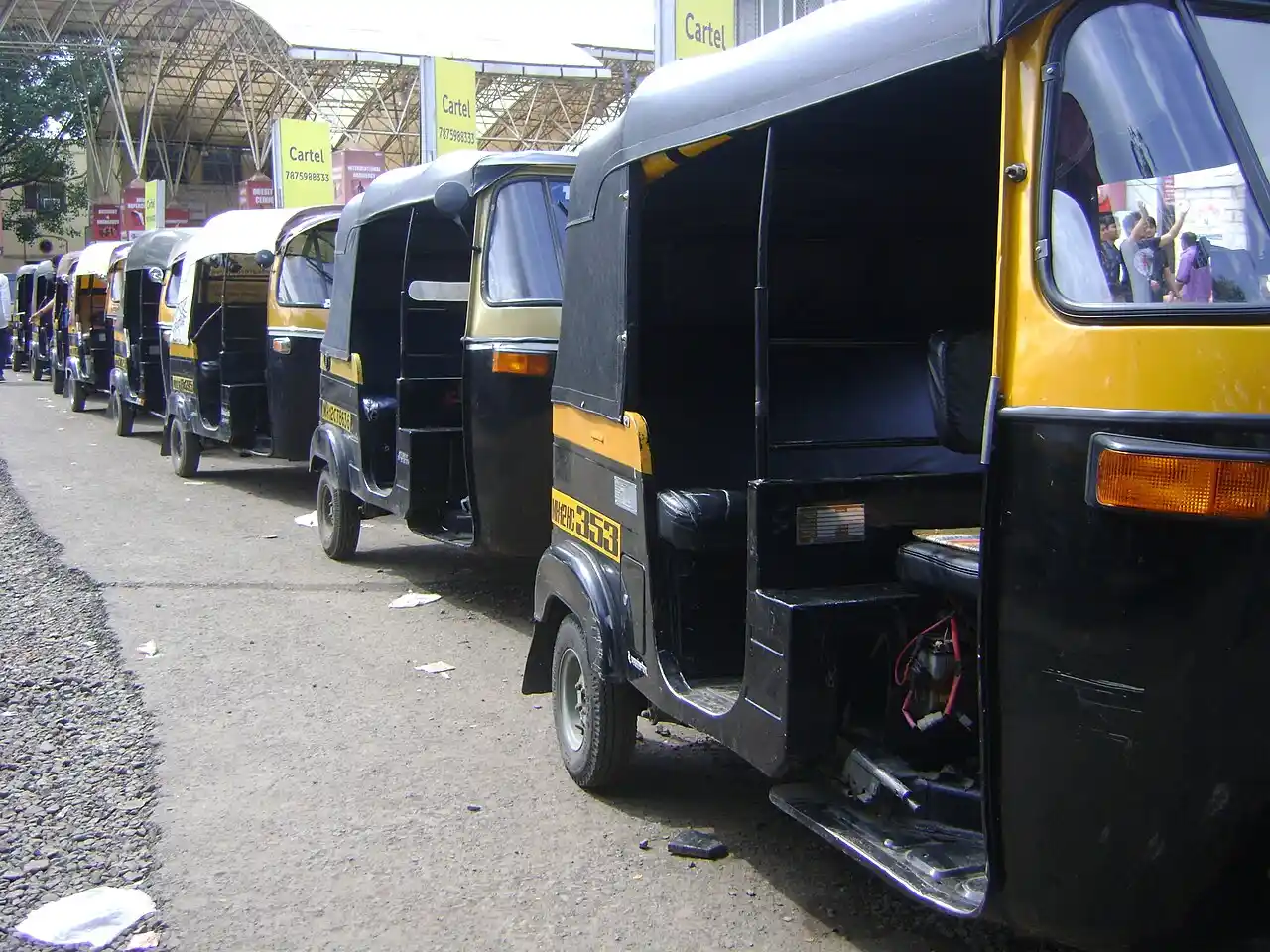
Many black-and-yellow taxis had removed their petrol engines years ago to lower maintenance costs. They depended entirely on CNG. When supply stopped, they had no backup. App-based cabs with dual-fuel capability switched to petrol, but traditional taxis remained stranded.
Drivers who could access operating pumps faced 3–4 hour waits. According to reports, taxi and autorickshaw drivers lost ₹400–₹1,500 in daily income. Some paid extra to purchase petrol as a workaround. Transport fuel supply directly affects air quality and urban commuting efficiency, making this disruption more than a convenience issue.
The Autorickshaw-Taximen’s Association wrote to Maharashtra Transport Minister demanding compensation for drivers’ income losses during the two-day disruption.
Schools and Bus Operators
Around 2,000 school buses in the MMR operated on CNG. Many could not run. Schools combined routes or hired private buses at ₹12,000 for two trips of 10 kilometers—a substantial unplanned cost. MGL advised school operators to prioritize safety and inform parents of service changes.
BEST (Brihanmumbai Electric Supply and Transport) operates about 1,250 CNG buses out of its 2,700-vehicle fleet. The organization stated that operations remained largely stable, though some reports flagged delays and curtailed routes at certain depots due to low gas availability at some points.
Commuters and Travelers
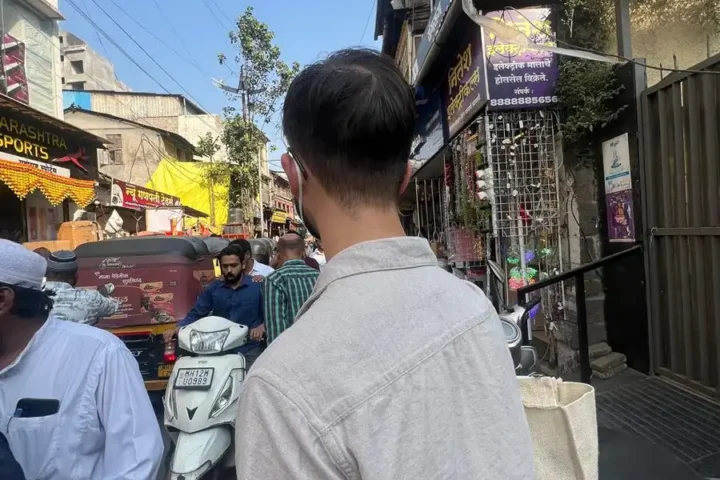
With fewer vehicles on the road, commuters struggled. Ride-hailing apps reported low availability and fares 30–40 percent higher than normal. Queues at auto stands grew. People traveling to business districts like Bandra Kurla Complex (BKC), Andheri, Kurla, and Chembur faced extended commute times. Airport users reported chaos at terminals, with limited transport options and long waits for cabs.
Industrial and Commercial Users
MGL advised industrial and commercial users in affected areas to switch to alternative fuels temporarily. This added operational complexity and cost for factories and businesses dependent on natural gas.
Geographic Impact: Which Areas Were Hit Hardest
The disruption affected the entire MMR, but some regions felt it more sharply due to higher CNG vehicle density and transport-dependent populations.
Why This Disruption Exposed a System Weakness
The current crisis was temporary. But it exposed a lasting weakness in Mumbai’s energy infrastructure. The entire CNG network funnels through one pipeline node at Wadala. When that fails, thousands of vehicles stop running and hundreds of thousands face transport disruption.
Single Point of Failure
CGS Wadala is a key entry point for MGL’s distribution to Mumbai, Thane, and Navi Mumbai. Auto unions and transport operators noted that MGL should have maintained a backup supply line, similar to one from Mahape, or stored buffer capacity to handle such disruptions. Other CNG networks in India maintain redundancy specifically to prevent this type of paralysis.
Third-Party Damage Risk
The damage occurred because contractors were working inside the RCF compound. Construction and excavation near critical infrastructure happens regularly. Better coordination, marking, and oversight of underground pipelines could help prevent similar incidents. RCF and GAIL both oversee safety protocols around the compound.
Transport Fuel Diversification
This disruption reinforces the case for diversifying Mumbai’s transport fuel sources. Hydrogen fuel cell buses are being introduced, and electric vehicle adoption is expected to spike electricity demand by 30% by 2030. These technologies could reduce the MMR’s dependence on a single fuel source and a single supply node.
Air quality in Mumbai remains worse than Delhi during peak pollution seasons, making fuel-switching and transport electrification even more critical for public health.
CNG Network Status: Before and During Crisis
| Metric | Normal Operation | During Disruption | Impact |
|---|---|---|---|
| CNG Pumps Operational | 389 (100%) | 225 (60%) | 164 Closed |
| Average Refill Time | 15–30 min | 3–4 hours | 8x Longer |
| Auto/Taxi Fares | Meter Rate | 30–40% Higher | Surge Reported |
| CNG Vehicle Fleet | 500,000+ | Mostly Offline | Stranded |
| School Buses | ~2,000 Active | ~2,000 Offline | Routes Combined |
| PNG (Home) Supply | Uninterrupted | Uninterrupted | ✓ Unaffected |
Key Takeaways
- Root Cause: Third-party contractors damaged GAIL’s pipeline inside RCF compound, cutting gas flow to MGL’s Wadala CGS.
- Network Effect: 225 of 389 pumps (60%) remained operational; approximately 40% went offline due to the single Wadala node disruption.
- Transport Paralysis: Auto-rickshaws, taxis, and school buses faced severe shortages, leading to stranded commuters and fare hikes of 30–40%.
- Income Loss: Drivers and operators lost ₹400–₹1,500 per day. Auto unions demanded compensation from the Maharashtra government.
- Household Safety Maintained: PNG supply to homes remained unaffected. MGL prioritized domestic consumers throughout.
- Restoration Status: MGL expected full gas supply restoration to CGS Wadala by November 18, 2025, noon, pending repair completion.
Path to Restoration and Lessons Ahead
MGL confirmed that rectification work was underway at the damaged pipeline. The company expected gas supply restoration to CGS Wadala by November 18, 2025, by noon. Once supply flows to the station, pressure will normalize across the pump network gradually.
Full normalization—with all pumps at full pressure and adequate fuel availability—will take additional time. Drivers should expect partial relief before complete restoration. In the meantime, those with CNG vehicles are advised to refuel only if necessary, use ride-sharing apps where available, or plan for longer commute times.
What Transport Operators Should Know
School authorities are coordinating with MGL on priority refueling and confirming pressure levels before committing buses to routes. Auto-rickshaw and taxi unions are pursuing compensation claims with the Maharashtra government for income losses and operational disruption.
Broader Infrastructure Implications
The incident reinforces the need for network redundancy and backup systems in critical infrastructure. IIT Bombay’s research on air pollution solutions highlights how transport disruptions also affect environmental monitoring and urban air quality management.
Moving forward, stakeholders should consider investing in secondary supply lines, buffer storage, and coordinated contractor oversight to prevent similar disruptions.
Summary: The Mumbai CNG Disruption of November 2025
Pipeline damage on November 17, 2025, disrupted CNG supply across Mumbai, Thane, and Navi Mumbai. Third-party contractors damaged GAIL’s main pipeline inside the RCF compound, cutting gas flow to MGL’s Wadala CGS. This affected 225 of 389 CNG stations (60% operational), leading to 3–4 hour refueling queues, 30–40% fare hikes, school bus disruptions, and income losses for thousands of drivers.
Piped natural gas to homes remained unaffected. MGL’s rectification work proceeded, with restoration expected by November 18 noon. The incident laid bare the vulnerability of depending on a single distribution node and highlighted the need for fuel diversification and infrastructure redundancy in urban transport networks.
Related Reading: Transport, Energy, and Urban Infrastructure
Explore related stories on transport challenges, alternative fuels, and urban infrastructure resilience:
- Air Pollution in Mumbai MMR Spikes as Dust Clouds Arrive from West — how reduced transport during the disruption affects air quality monitoring
- Tata Motors and IndianOil Unveil Hydrogen Fuel Cell Buses — alternative fuel solutions to reduce CNG network dependence
- EV Surge Predicted to Spike Electricity Demand by 30% by 2030 — how electric vehicles could reshape transport fuel patterns
- Air Quality in Mumbai Remains Worse Off Than Delhi — urban air quality challenges and transport-related impacts
- IIT Bombay’s Revolutionary Air Pollution Solution (PAVITRA Model) — tech-driven approaches to urban environmental issues