FDA Class I Recall: 55,689 Pounds of Frozen Blueberries Over Listeria Risk
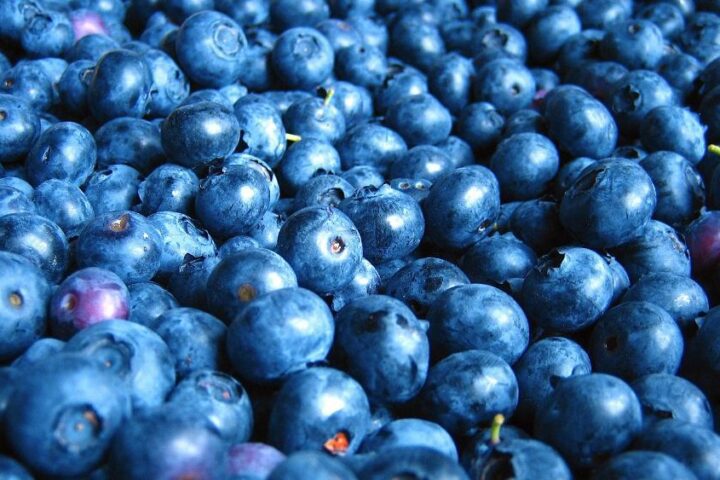
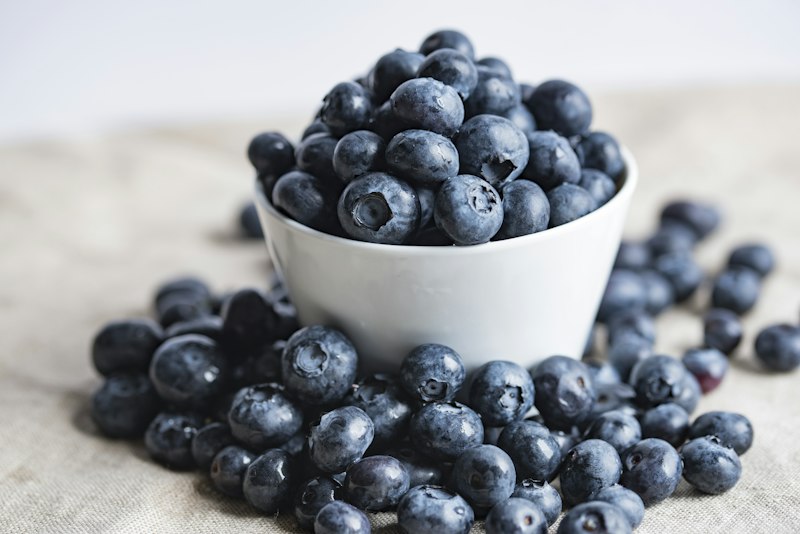
⚠️ HIGHEST FDA RISK LEVELThe U.S. Food and Drug Administration has escalated a frozen fruit recall to Class I status, the agency’s highest risk classification. Oregon Potato Company, operating as Willamette Valley Fruit Company in Salem, Oregon, voluntarily initiated the recall on February 12, 2026, affecting 55,689 pounds of Individually Quick Frozen blueberries. The FDA’s classification upgrade on February 24 reflects concerns that exposure to the product carries a reasonable probability of serious health consequences or death due to potential Listeria monocytogenes contamination.
The recalled blueberries were distributed in Michigan, Oregon, Washington, Wisconsin, and Canada in bulk packaging formats—30-pound corrugated cases with polyethylene liners and 1,400-pound totes. These products were not sold directly to consumers in retail stores but were distributed to foodservice operators, bakeries, and food manufacturers who may have incorporated them into secondary products. Oregon Potato Company has confirmed that all affected fruit has been accounted for, and the company is working with customers and the FDA regarding return or destruction procedures.
🔍 Check Your Product Lot Code
Enter the lot code from your blueberry packaging to verify if it’s part of this recall.
📋 Recalled Product Details
All affected products are Individually Quick Frozen (IQF) blueberries sold in bulk packaging to foodservice and manufacturing facilities.
| Package Type | Lot Code | Expiration Date |
|---|---|---|
| 30-lb Corrugated Case | 2055 B2 | July 23, 2027 |
| 30-lb Corrugated Case | 2065 B1 | July 24, 2027 |
| 30-lb Corrugated Case | 2065 B3 | July 24, 2027 |
| 1,400-lb Tote | 3305 A1 | November 25, 2027 |
| 1,400-lb Tote | 3305 B1 | November 25, 2027 |
🗺️ Distribution Areas
The recalled frozen blueberries were distributed to foodservice operators and manufacturers in the following regions:
Understanding Listeria Contamination Risk
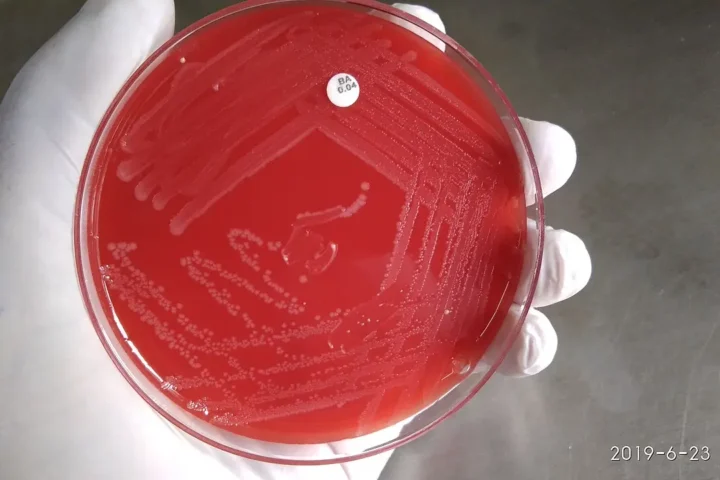
Listeria monocytogenes presents unique challenges in food safety because, unlike most bacteria, it can continue to grow at refrigeration temperatures. Freezing does not eliminate the pathogen but merely pauses its growth until products are thawed. According to the Centers for Disease Control and Prevention, approximately 1,600 people contract listeriosis annually in the United States, with the infection ranking as the third leading cause of death from foodborne illness.
The bacterium can cause invasive listeriosis, particularly in vulnerable populations. Pregnant women face risks including miscarriage, stillbirth, and severe neonatal infections. Adults over 65 and individuals with weakened immune systems—including cancer patients, transplant recipients, and those with chronic illnesses—experience higher rates of severe complications. The FDA notes that Listeria can cross-contaminate other foods cut and served on the same cutting board or stored in the same area, making proper sanitation protocols essential.
🏥 Listeria Symptoms to Monitor
Symptoms can appear within 24 hours or up to 2 months after exposure. Seek medical attention if you experience:
Common Symptoms
Severe Symptoms (Immediate Medical Care Required)
⚕️ High-Risk Populations
The following groups face the most serious health risks from listeria exposure:
Pregnant Women
Listeria infection can cause miscarriage, stillbirth, premature delivery, or life-threatening infections in newborns.
Adults 65 and Older
Older adults face higher risk of severe complications and death due to age-related immune system changes.
Weakened Immune Systems
Including cancer patients, transplant recipients, HIV/AIDS patients, and those with chronic illnesses.
For individuals who may have consumed products from the affected lots, symptoms can appear within 24 hours or up to two months after exposure. Common symptoms include fever, muscle aches, headache, nausea, and diarrhea. Severe cases can involve stiff neck, confusion, loss of balance, and convulsions. The CDC advises that anyone experiencing these symptoms after potential exposure should contact a healthcare provider immediately and inform them about the possible contaminated food consumption.
Food safety concerns extend beyond bacterial contamination in modern food production systems. Environmental contamination sources can introduce pathogens at various points in the supply chain. Willamette Valley Fruit Company processes large volumes of berries for industrial and foodservice clients, meaning problems at the processor level can affect downstream products and suppliers across multiple regions.
📞 What You Should Do
If you work in foodservice or food manufacturing and received these products, take action immediately:
Recall Status and Next Steps
The recall was initiated after routine product testing detected potential Listeria monocytogenes contamination. Oregon Potato Company has notified affected customers by email and is coordinating with the FDA on proper disposal procedures. The company emphasized that the recall was conducted out of an abundance of caution, and no illnesses have been reported in connection with these products as of February 25, 2026.
Foodservice operators and food manufacturers who received products matching the affected lot codes should immediately check their inventories. The specific lot codes involved are: 2055 B2 (expiring July 23, 2027), 2065 B1 (expiring July 24, 2027), 2065 B3 (expiring July 24, 2027), 3305 A1 (expiring November 25, 2027), and 3305 B1 (expiring November 25, 2027). Products should be returned to the supplier or destroyed according to proper protocols.
The FDA encourages anyone who becomes ill after consuming a recalled product to contact their healthcare provider and report the illness. Reports can be filed by calling the FDA Main Emergency Number at 1-888-SAFEFOOD (1-888-723-3366) or by completing an electronic Voluntary MedWatch form through the FDA’s online reporting portal. For Canadian consumers, information can be found through the Canadian Food Inspection Agency.
This recall was discussed following detection of potential contamination through routine testing protocols in food production facilities. The detection before widespread illness occurred allowed for action to protect public health. Consumers and food industry professionals can stay informed about ongoing recalls and food safety alerts through CDC and FDA monitoring systems.
For more information about related health and safety concerns, readers can explore articles on chemical contamination risks, bacterial contamination alerts, and food production safety systems.