Fraudulent Social Security Statement Emails Are Surging — Here Is What the SSA Wants You to Know
The SSA’s Office of the Inspector General issued a February 2026 warning about a rise in government impostor scams. Four red flags identify them every time.
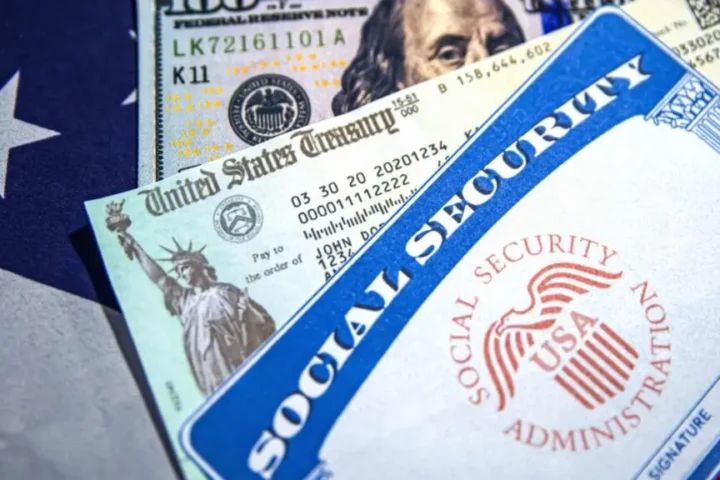
The Social Security Administration and its Office of the Inspector General partnered on March 5, 2026 for the 7th annual National Slam the Scam Day — part of the FTC’s National Consumer Protection Week — to raise awareness of government impersonation fraud targeting seniors.
On February 20, 2026, the SSA Office of the Inspector General warned the public of a surge in fraudulent emails claiming that a Social Security statement is ready to download. These emails use official-looking language, logos, and formatting. Clicking any embedded link can install malware or direct users to a fake website designed to steal Social Security numbers and financial details.
Commissioner Frank J. Bisignano stated: “All scams — especially imitations of the Social Security Administration — put Americans’ identity and financial security at risk.” Assistant Inspector General Michelle L. Anderson said scammers “prey on fear and a false sense of urgency to steal from hardworking Americans, causing real financial harm to individuals and families” and urged the public to “take an intentional pause when they get a message they weren’t expecting, guard their wallet, verify, and report suspected scams.”
Legitimate SSA emails always end in .gov. The SSA’s guidance is clear: type ssa.gov/myaccount directly into your browser — never click a link in an unsolicited email or text.
The financial toll on older Americans is steep. According to the FTC’s August 2025 data spotlight, adults 60 and older who reported losses above $100,000 to impersonation scams saw those reported losses rise from $55 million in 2020 to $445 million in 2024 — more than an eight-fold increase over four years.
The Scam Playbook: Then vs. Now
Tap any entry to expand. Earlier tactics are still active — scammers layer them with newer methods.
“Awareness is one of the strongest tools we have — we encourage consumers to take an intentional pause when they get a message they weren’t expecting, guard their wallet, verify, and report suspected scams — knowing the red flags can prevent devastating financial losses.”
— Michelle L. Anderson, Assistant Inspector General, SSA OIG (March 5, 2026)The SSA’s Four Red Flags of a Scam
These are the four signs listed on the official SSA scam awareness page. If any one of them is present, end contact immediately.
The sender claims to be from the Social Security Administration — by phone, text, email, website, or social media. They may use the name, photo, or badge number of a real SSA employee.
You are told there is a problem with your Social Security number or benefits — or that a prize, bonus, or COLA increase is waiting — but only if you take specific actions immediately.
You are pushed to act immediately — under threat of arrest, benefit suspension, or losing a payment window. The SSA’s guidance and AARP’s Fraud Watch Network both recommend taking an intentional pause before doing anything.
You are told to pay via gift card numbers, wire transfer, cryptocurrency, mailed cash, or physical gold. No government agency ever requests payment in these forms under any circumstances.
Would You Spot the Scam?
Three real-world scenarios drawn from official SSA OIG and FTC documented scam patterns. Choose the safest response in each situation.
Test Your Scam Detection Skills
Based on documented scam patterns from SSA OIG alerts and FTC reports (2025–2026)
noreply@ssa-secure-portal.com. What do you do?Your Result
Payment Methods No Government Agency Will Ever Request
The SSA has published a clear list of things it will never do: tell you your Social Security number is suspended, demand immediate payment or threaten arrest, ask for credit or debit card numbers over the phone, request gift cards or cash, or promise benefit approval or increases in exchange for money or personal information. If any communication makes these claims, it is not from the SSA.
Official Verification & Reporting Channels
Call the SSA directly at 1-800-772-1213 to verify any contact before responding to it. For Spanish-language guidance visit ssa.gov/espanol/estafas.
What Was Covered
The SSA and OIG warnings reviewed here cover fraudulent Social Security statement emails, fake benefit notices, COLA activation scams, and government impersonation tactics across email, text, phone, mail, and social media. The FTC has separately documented the rise of gold bar courier fraud and AI voice cloning as tools used by scammers — distinct from but related to SSA impostor patterns.
Official guidance recommends verifying all SSA contact through ssa.gov/myaccount, avoiding all unsolicited links and attachments, and reporting suspicious communications through SSA OIG, the FTC, or FBI IC3. If personal information was shared, the SSA also advises notifying the three major credit bureaus to place a fraud alert and visiting identitytheft.gov for step-by-step recovery guidance.