Sunita Somvanshi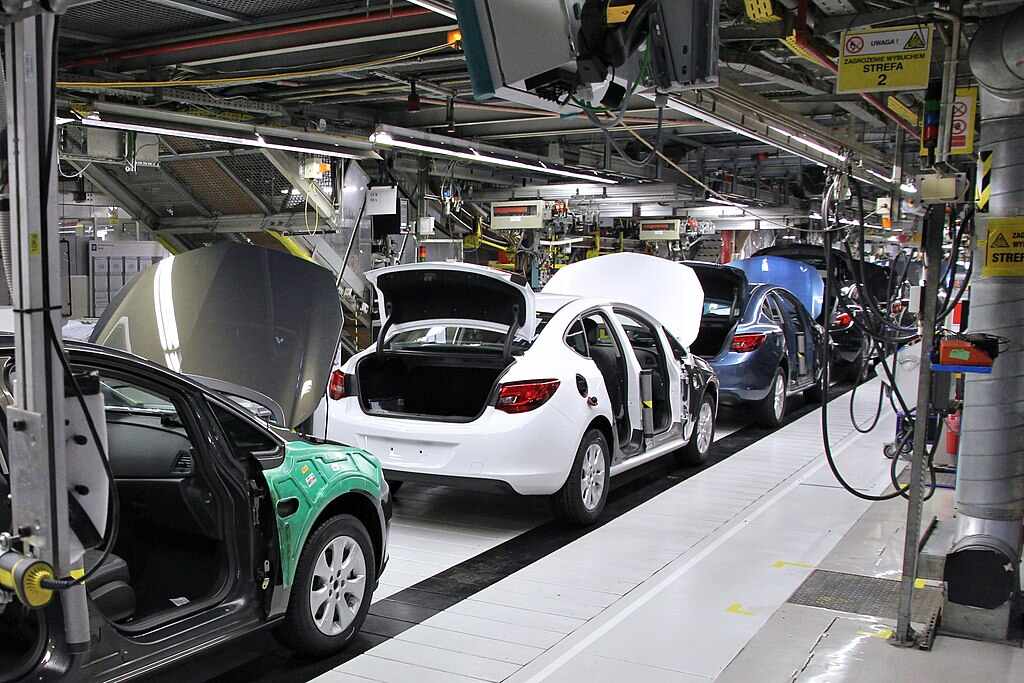
GM’s Electric Gamble Hits Pause — And Gas Trucks Fill the Gap
Factory Zero went dark on March 16, 2026. 1,300 workers are on temporary layoff. Meanwhile, Flint is adding a sixth production day for gas-powered heavy-duty trucks.
What Happened at Factory Zero
General Motors confirmed that its Factory Zero plant in Detroit-Hamtramck, Michigan — the $2.2 billion facility built specifically for large electric vehicles — halted all production on March 16, 2026, with a planned restart on April 13. Around 1,300 workers have been placed on temporary layoff and are eligible for sub-pay and benefits under the GM-UAW national contract reached in November 2023. The current pause follows earlier production slowdowns and shift reductions: in early January 2026, GM reduced Factory Zero to a single shift, affecting approximately 1,200 workers. In October 2025, approximately 1,200 additional positions had already been eliminated across EV and battery operations.
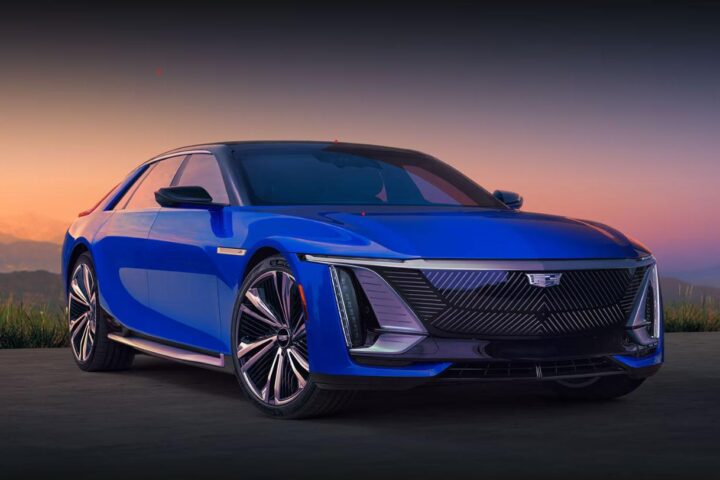
The four models built at Factory Zero — the GMC Hummer EV Pickup and SUV, Chevrolet Silverado EV, GMC Sierra EV, and Cadillac Escalade IQ — are all affected by the pause. According to GM’s SEC filings and investor disclosures, total EV-related charges for 2025 reached approximately $7.6 billion — $1.6 billion recorded in Q3 and $6 billion in Q4 — contributing to a sharp decline in net income, which fell from $6 billion in 2024 to $2.7 billion in 2025. GM’s CFO Paul Jacobson noted the company expects those losses to improve by $1–1.5 billion in 2026 through lower production volumes. For background on GM’s broader recall history and product quality issues, see GM’s Cadillac and Chevrolet recall coverage on Karmactive.
Why Large Electric Trucks Are Struggling
Full-size electric trucks occupy the most expensive and technically demanding corner of the EV market. The Hummer EV starts above $100,000. The Silverado EV and Sierra EV carry price tags that put them well beyond the average truck buyer. Add in towing range anxiety — studies by the U.S. Department of Energy Alternative Fuels Data Center note that towing at highway speeds can cut EV range by 50–60% — and the reluctance of traditional truck buyers becomes clearer. Charging infrastructure gaps on long-haul routes add to the hesitation.
The $7,500 federal EV tax credit, which had been available under the Inflation Reduction Act, expired on September 30, 2025, following the passage of the One Big Beautiful Bill Act. No further credits apply to vehicles purchased after that date. This policy change, combined with a rollback of tailpipe emission standards, has decreased the immediate pressure on OEMs to meet aggressive EV sales targets in the near term. You can track fuel pricing shifts in real time via AAA’s national gas price dashboard.
Two Factories, Two Directions
While Factory Zero powered down, Flint Assembly ramped up. Hover to explore each milestone.
The Economics: ICE Profits Fund EV Losses
GM’s financial picture for 2025 reflects a sharp two-speed reality. Total EV-related charges for the year reached approximately $7.6 billion — $1.6 billion in Q3 and $6 billion in Q4, as disclosed in a January 8, 2026 SEC filing. On the other side: $12.7 billion in EBIT-adjusted earnings, driven largely by high-margin heavy-duty trucks at Flint. The gas-powered business is, in effect, absorbing the electric programme’s losses while demand normalises. The Global Aluminium Industry Outlook 2026 by AL Circle flags that raw material cost pressures, including metals like aluminium, have added to manufacturing costs for large EV programmes — a factor that makes steel-framed ICE production at Flint comparatively more cost-stable right now.
GM’s smaller EV models, particularly the Chevrolet Equinox EV — produced at the Ramos Arizpe plant in Mexico — are not affected by the Factory Zero pause. The Equinox EV was the third-best-selling electric vehicle in the U.S. in 2025, trailing only the Tesla Model Y and Model 3. This split in performance between affordable EVs and premium electric trucks reflects a broader market pattern: price sensitivity matters far more than powertrain preference for most buyers. For more on EV circular economy standards and recyclability progress, see Karmactive’s coverage of the Phoenix EV recyclability benchmark.
GM’s Two-Speed Operating Reality
- Hummer EV Pickup & SUV — production halted
- Chevrolet Silverado EV — production halted
- GMC Sierra EV — production halted
- Cadillac Escalade IQ — production halted
- 1,300 workers on temporary layoff
- ~2,400 positions affected since Oct 2025
- ~$7.6B in EV-related charges (2025 fiscal year)
- Hummer EV sales fell ~50% in Q4 2025
- Silverado 2500/3500 HD — production increasing
- Sierra 2500/3500 HD — production increasing
- Six-day work week starting June 2026
- ~1,100 vehicles produced daily
- Strong demand for high-margin HD trucks
- Fuel prices elevated; buyer behaviour shift lagged 4–6 months
- $12.7B EBIT-adjusted earnings (2025 fiscal year)
- GM net income $2.7B in 2025 (down from $6B in 2024)
The Pressure Points Stacking Against Big Electric Trucks
Industry-Wide Adjustments — Not Just GM
Ford paused the F-150 Lightning production line and is now developing a range-extended version that combines an electric drivetrain with a gasoline generator. Ram did not deliver a battery-electric full-size truck at volume. Stellantis has shifted its product strategy to acknowledge slower EV adoption and reintroduced combustion performance models, including the Ram 1500 TRX with a 777-horsepower Hemi V8. Globally, the picture is more varied: China’s EV market now accounts for 30–35% of new car sales, and the International Energy Agency’s Global EV Outlook confirms that EV growth continues worldwide — but the pace differs sharply by region.
Used EV prices in the U.S. have declined at a double-digit annual rate, driven by rapid model updates and price cuts by manufacturers — compressing residual values and making dealer floor plans more difficult. The UAW’s official communications reflect tension between supporting the long-term EV transition and addressing near-term job instability. For context on what next-generation compact EV design looks like, see Karmactive’s breakdown of the Kia Concept EV2 and the Komma UMV compact EV.
What Key Voices Have Said
Frequently Asked Questions
What Was Covered
This report discussed the temporary idling of Factory Zero from March 16 to April 13, 2026, and the corresponding temporary layoffs of approximately 1,300 employees. It reviewed the expansion of the Flint Assembly plant to a six-day production week to accommodate demand for heavy-duty gasoline trucks. Details on the approximately $7.6 billion in EV-related charges across 2025, the expiration of federal EV incentives on September 30, 2025, raw material cost pressures, and the role of worker stability concerns from UAW Local 22 were included. The report noted the perspectives of GM executives regarding production alignment with current market demand, as disclosed in regulatory filings, earnings calls, and official press statements. Karmactive’s broader coverage of sustainable technology provides further context on how materials science is evolving across industries, including mobility.