Dubai’s Air Quality Crisis: December 2025
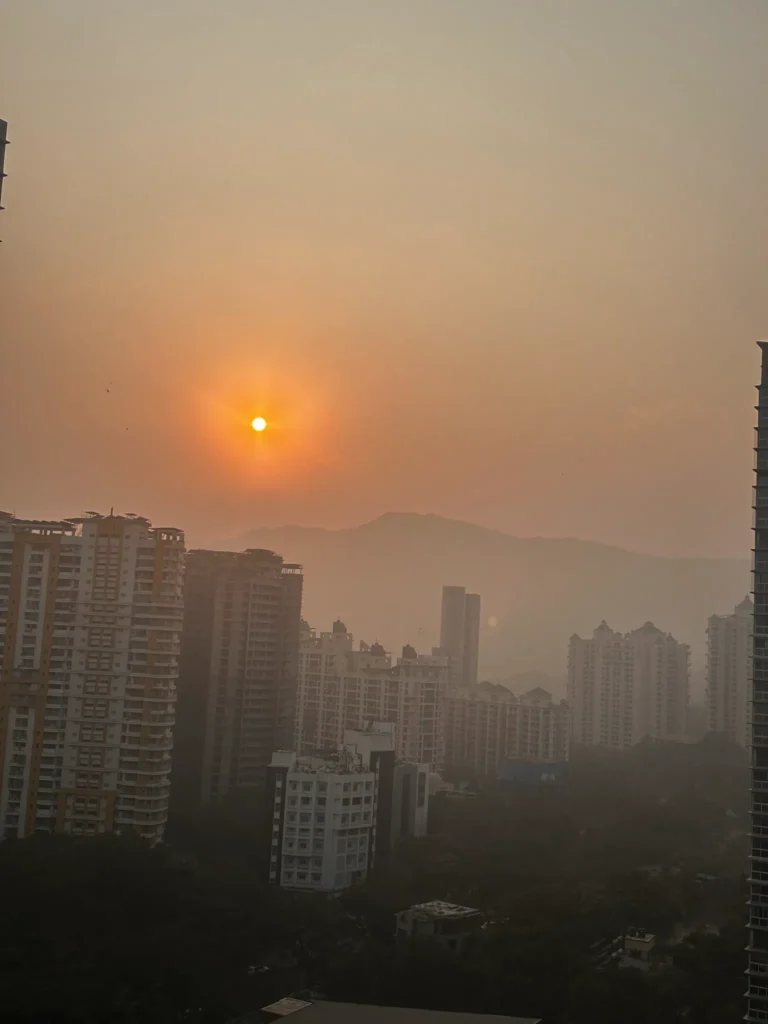
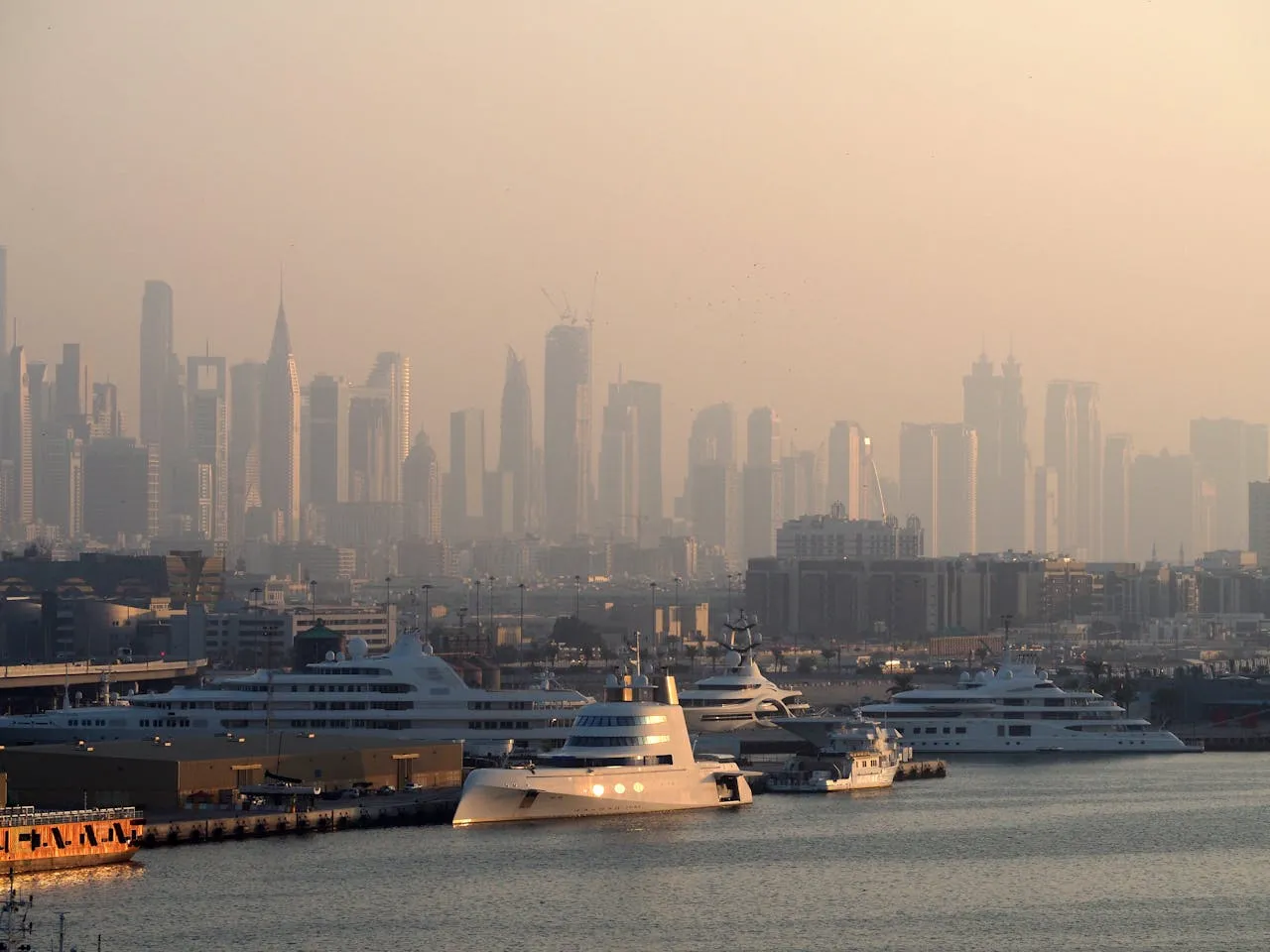
On December 2–3, 2025, IQAir listed Dubai among the world’s most polluted major cities, ranked 4th on the morning of December 3. Understanding causes, health risks and protective measures.
📊 Air Quality Index (AQI) Snapshot
The spike represents a departure from Dubai’s typical air quality. According to IQAir’s 2025 analysis, Dubai’s 2024 annual average PM2.5 was 33.5 µg/m³ (AQI ~97)—about 6.7 times the WHO’s annual guideline of 5 µg/m³. The current spike to AQI 190+ means hazardous conditions requiring immediate protective action.
🌪️ What’s Causing the Pollution?
⚕️ Health Impacts During High Pollution
Respiratory Irritation
Coughing, wheezing, sinus irritation, and difficulty breathing, especially during outdoor activity.
Cardiovascular Stress
Increased heart rate and blood pressure, particularly affecting individuals with existing heart conditions.
Allergic Reactions
Worsening of existing allergies and increased susceptibility to infections like colds and flu.
Chronic Respiratory Diseases
Long-term exposure linked to asthma exacerbation, bronchitis, and reduced lung function over time.
Cognitive Development in Children
Emerging studies associate high PM2.5 exposure with impacts on learning and development in children. Long-term exposure during critical growth years raises concerns for academic performance and neurological development.
Premature Mortality Risk
Global health data links chronic air pollution to premature deaths. The WHO and regional studies document significant health burdens in areas with high PM2.5 exposure.
Indoor Dust Infiltration
Fine particulates and dust infiltrate homes through windows, doors, and ventilation systems, especially in naturally ventilated buildings.
HVAC System Issues
Poor HVAC maintenance can circulate pollutants, dust, mold, and allergens throughout indoor spaces. Elevated humidity also encourages mold growth.
VOC Accumulation
Volatile organic compounds build up in poorly ventilated spaces, intensifying indoor pollution beyond outdoor levels.
✓ How to Protect Yourself During High Pollution
🏠 Indoor Air Quality Matters
Why Indoor Air Quality Matters
During dust storms, people spend significant time indoors. However, indoor air can remain heavily polluted without proper measures. Studies show that dust and fine particulates infiltrate indoor spaces through windows, doors, and ventilation systems. See our analysis of air pollution’s impact on schools for detailed findings on indoor air quality in learning environments.
- Close windows during pollution episodes
- Use portable HEPA air purifiers in bedrooms and living areas
- Inspect and clean AC ducts regularly
- Replace air filters every 1-3 months depending on pollution levels
- Ensure proper ventilation without external air entry during spikes
- Use low-VOC cleaning products to minimize harmful emissions
⚠️ Who Is Most Vulnerable?
📱 Real-Time Monitoring & Resources
Check real-time AQI rankings and hourly forecasts for Dubai and other cities worldwide.
Visit IQAir Ranking →Approved June 26, 2025. Aims to achieve clean air standards on 90% of days and reduce PM2.5 to 35 µg/m³.
Government Resources →Global reference standards for safe PM2.5 levels and health protection recommendations.
WHO Guidelines →What Happened on December 2-3, 2025
On the morning of December 3, 2025, IQAir ranked Dubai 4th among the world’s most polluted major cities. The spike peaked above AQI 190 but improved by evening as winds strengthened and dispersed dust and local pollutants. Similar episodes occur during winter months when atmospheric conditions limit pollutant dispersion. The UAE’s National Air Quality Agenda 2031 addresses long-term mitigation.
Individual protective steps—using air purifiers, maintaining HVAC systems, wearing quality masks outdoors, monitoring AQI, and limiting outdoor activity during spikes—are important for personal health. For vulnerable groups, including children, older adults, and people with respiratory or heart conditions, staying informed and taking precautions is critical.