 Karmactive Team
The shutdown of a nuclear power plant in Minnesota caused the deaths of at least 230 fish in the Mississippi River, triggered by a change in water temperature. The incident was a result of the plant’s being shut down for permanent repairs after a leak of water containing tritium was discovered.
The fish eventually died from thermal shock and not from the tritium leak; hence, there is no risk to public safety. The company that runs the plant, Xcel Energy, said that it generally avoids shutdowns during winter periods when temperature differences are greater.
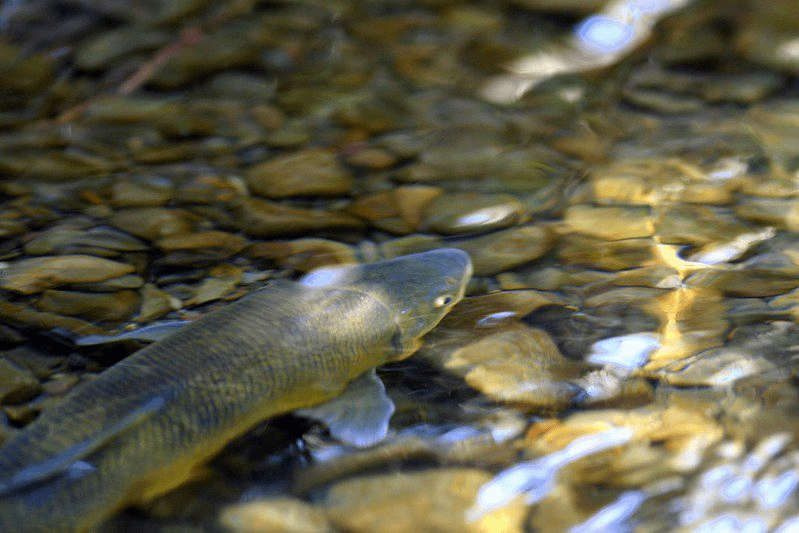
The Minnesota Pollution Control Agency claimed that the fish kill was not unexpected given the significant temperature change that occurs when warm water from the plant stops flowing to the river during a shutdown in operations. The fish that died were bass, channel catfish, common carp, and sucker fish.
- British Airways indefinitely suspends London-Abu Dhabi service
- Kier Group halts new property investment to focus on infrastructure
- Wandsworth Council projects £958 council tax increase for April 2027
- Kia PV7 electric van offers 460-kilometer range for commercial fleets
- Rocket Lab protests NASA Mars Telecommunications contract award
The impact of the shutdown was relatively small in relative terms, considering the death toll, according to Pat Rivers, the deputy director of fish and wildlife for the Minnesota Department of Natural Resources. The plant will begin producing power again in the next week and will shut down again on April 15 for refuelling. Tritium, a radioactive form of hydrogen that occurs naturally and as a byproduct of nuclear power generation, has not reached any drinking water sources.